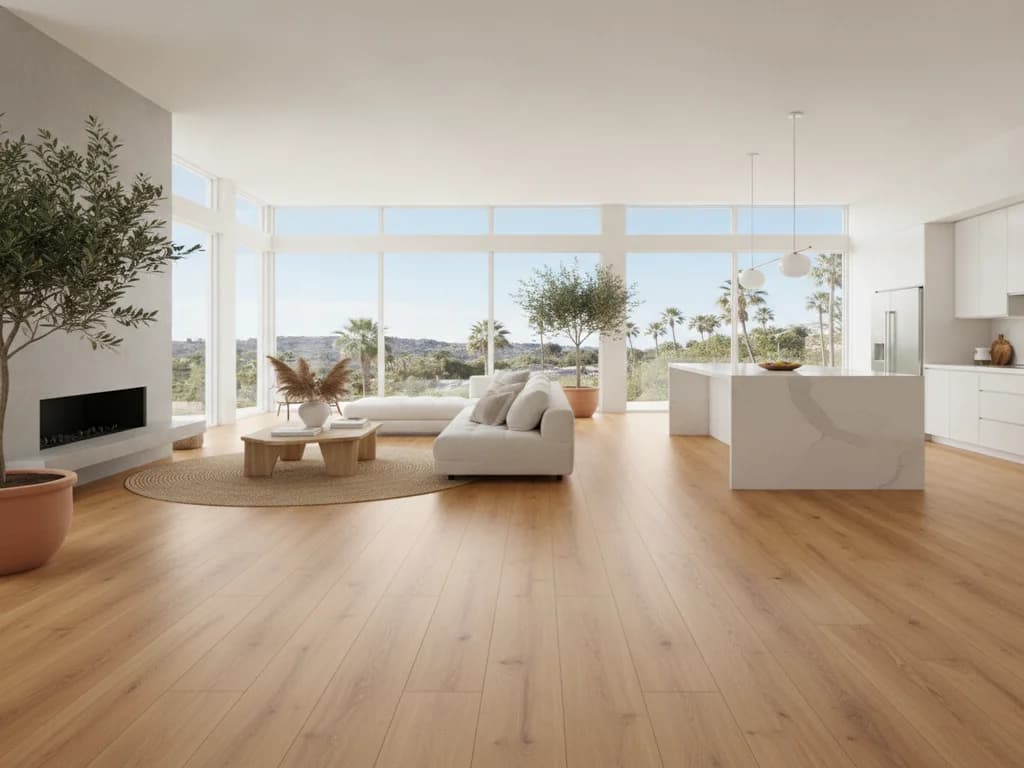
Commercial & Multifamily
Multifamily & Apartment Communities Flooring
Reliable, scheduled flooring installation for apartment communities — durable products, minimal downtime, and consistent results across every unit.
Apartment flooring lives a hard life: constant turnover, heavy traffic, and tenants who don't baby the floors. We help owners and property managers choose durable, cost-effective products — typically waterproof luxury vinyl plank and commercial-grade carpet — that look good on day one and still hold up lease after lease.
Whether it's a single unit turn or re-flooring a whole community in phases, we give you a real schedule and stick to it, so units come back online fast. One accountable crew keeps quality and pricing consistent across every unit — no surprises from building to building.
Licensed CSLB C-15 (#1060673) and insured. We serve apartment communities throughout Greater Sacramento and Northern California.
How We Work
Serving Multifamily & Apartment Communities
- Waterproof, high-durability products chosen for turnover and traffic
- Fast, scheduled unit turns to minimize vacancy days
- Consistent pricing and quality across every unit and building
- Phased whole-community re-flooring with minimal disruption
- One accountable crew, licensed, insured, and warranty-backed
What Governs the Floor
Requirements That Apply to Multifamily & Apartment Communities
The standards, statutes and constraints that shape a flooring specification for this property type — with the source of each.
Interunit noise is a statutory standard, not a preference
California Civil Code §896(g)(6) makes it actionable: attached structures shall be constructed to comply with the interunit noise transmission standards set by the building codes, ordinances or regulations in effect at the time of original construction. The statute points at the applicable code rather than fixing a number itself, so the figure that binds your building is the one from its own construction era — worth confirming before a hard-surface conversion, because replacing carpet with plank changes impact noise more than any other finish decision. Note the statute's own limit: no action under that paragraph more than one year from original occupancy of the adjacent unit.
California Civil Code §896(g)(6)
Turnover moisture, documented
For wood over a wood subfloor NWFA calls for readings at a minimum of 20 test locations for the first 1,000 square feet plus 4 more per additional 100 square feet, averaged, with at least three per room and attention to exterior walls and plumbing. On a unit with any leak history that documented average is what tells you whether you are replacing a floor once or twice.
NWFA Installation Guidelines
Vacant units still need conditioning
NWFA's maintenance guidance is to hold 30–50% relative humidity and 60–80°F year-round and specifically not to shut the HVAC down for prolonged periods. On a vacant unit that is a real utility cost with a real alternative cost: a floor that gaps over a dry vacancy is charged to a turnover budget that is far less forgiving than a utility line.
NWFA Installation Guidelines
Where the ADA reaches on a residential property
The 2010 ADA Standards govern places of public accommodation and commercial facilities — a leasing office or public-facing amenity space can fall inside that, while the dwelling units themselves are generally governed by fair housing rules instead. Where the Standards do apply, §302.1 requires floor surfaces to be stable, firm and slip resistant, §302.2 caps carpet pile at ½ inch with exposed edges trimmed, and §303 governs every change in level. Which rulebook applies to which space is a question for your code consultant, not your flooring contractor — but it changes the specification, so it is worth settling early.
2010 ADA Standards §302, §303
This describes what the standards and statutes require. It is not a legal opinion about your property and not a guarantee of outcome — which rules apply to which space is a question for your code consultant or counsel. We are the flooring contractor, not the project's code authority.
Materials
Products We Install
Also see our full commercial & multifamily overview and our trade program for builders, GCs, and property managers.
Commercial & Multifamily
Frequently Asked Questions
Can residents replace carpet with hard flooring in an apartment?
That is a policy question with a legal floor underneath it. California Civil Code §896(g)(6) makes interunit noise transmission an actionable construction standard, measured against the building code in effect when the building was originally constructed — and swapping carpet for plank changes impact noise more than any other finish decision. Most communities that allow hard surface require an acoustic underlayment and written approval. Before adopting or relaxing a policy, it is worth confirming what standard the building was actually built to.
How do you minimize downtime across occupied units?
By sequencing around occupancy rather than around our own convenience: phased unit-by-unit scheduling, work windows agreed with management, and staging that keeps corridors and stairwells passable for residents throughout. We also front-load the moisture testing, because the single most common cause of a unit coming back offline is a subfloor condition discovered after the flooring was already down.
What flooring lasts longest in a turnover cycle?
It depends which cost you are actually paying. Luxury vinyl plank tolerates water and abuse and gets replaced rather than refinished, which suits fast cycles and high wear. Hardwood costs more up front but can be screened and recoated repeatedly, which can be cheaper across a long hold. The deciding factors are usually expected hold period, unit positioning, and whether the building has moisture exposure that would defeat wood regardless of budget.
Do you carry the licensing and insurance our management company requires?
Yes. Renaissance Floors holds California CSLB licence #1060673 in the C-15 Flooring and Floor Covering classification, which covers commercial and residential flooring, and you can verify it directly against the CSLB's public lookup rather than taking our word for it. Current insurance certificates are available for your project file on request.
Sources
- California Civil Code §896 — construction-defect standards
Subsection (g)(6) makes interunit noise transmission in attached structures an actionable standard.
- NWFA — Wood Flooring Installation Guidelines & Technical Publications
Moisture-testing protocol, service humidity range, and maintenance limits such as the prohibition on steam cleaning.
- 2010 ADA Standards for Accessible Design, §302 & §303
Floor-surface requirements, the 1/2 in carpet pile limit, and the change-in-level thresholds for transitions.
- California Contractors State License Board — license lookup
Verify any California contractor's licence, classification and standing, including ours (#1060673).
External links are provided for reference and were verified live on 29 August 2026. Codes and standards are revised — confirm both the current edition and the edition that applied when your building was constructed with the issuing body.
Related
Keep Reading
Related pages: Commercial Flooring, Hardwood Flooring, Engineered Hardwood, and Luxury Vinyl Plank.
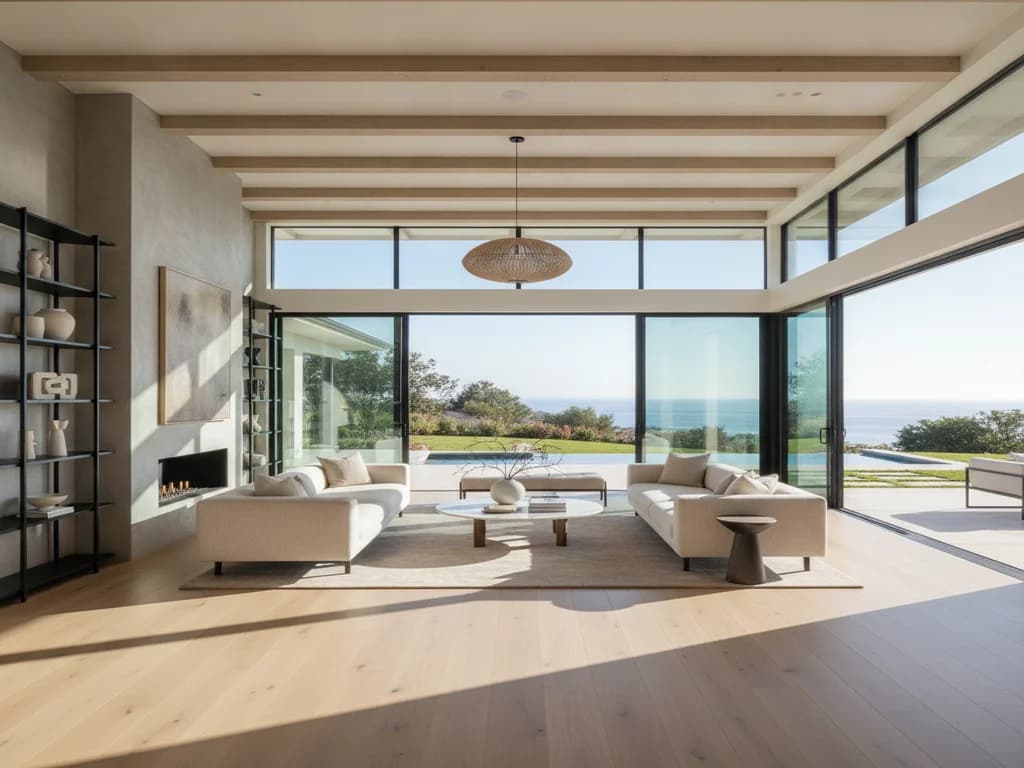
Flooring for Multifamily & Apartment Communities
Call (916) 749-0272 to scope your project and get an honest, itemized estimate.