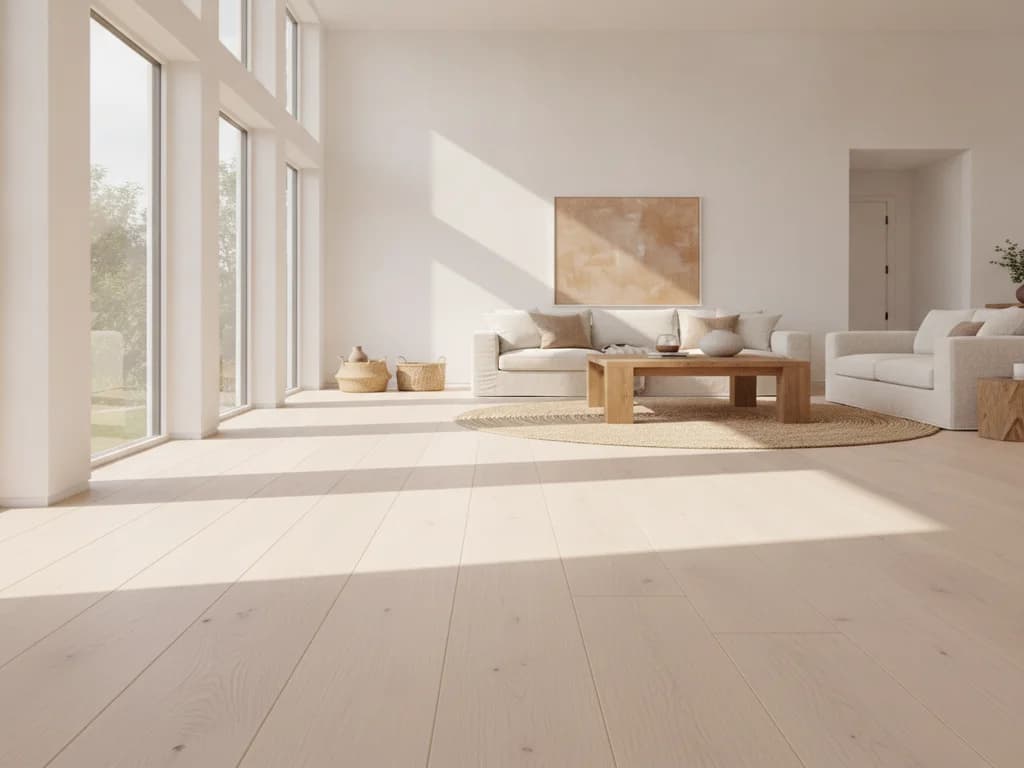
Flooring
Hardwood Flooring in Northern California
Solid hardwood installation in white oak, red oak, maple, hickory, and walnut — measured, racked, and fastened for a floor that lasts for decades.
Overview
Beautiful, Lasting Hardwood Flooring
We install solid hardwood flooring in white oak, red oak, maple, hickory, and walnut — nail-down or staple-down over a properly prepped wood subfloor, racked and blended from multiple cartons before a single board is fastened. Solid hardwood can be sanded and refinished many times over its life, which is why it remains the benchmark for a permanent, resale-friendly floor in Sacramento-area homes.
Weighing your options? Compare engineered vs. solid hardwood, site-finished vs. prefinished, and oak vs. hickory vs. maple.
Get a Free EstimateWhy It Works
Why Homeowners Choose Our Hardwood Flooring
Acclimation & Moisture Management
Solid hardwood moves with humidity, so we let material acclimate on-site and check subfloor moisture content before installation — the step most responsible for preventing cupping, gapping, or crowning later.
Board Blending & Layout
We pull boards from multiple cartons and rack them across the room before fastening, mixing grain, color, and length so the finished floor reads as one continuous surface instead of patchy batches.
Site-Finish or Prefinished Options
We install prefinished hardwood for a faster timeline with a factory-cured finish, or unfinished hardwood that's sanded and site-finished after installation for a flush, seamless surface and custom stain match — using commercial-grade waterborne finish systems in the Bona and Loba class, with stain lines like DuraSeal for color.
Built for Refinishing
Solid hardwood's full-thickness wear layer means it can typically be sanded and refinished multiple times over decades, so a floor that shows wear can usually be restored rather than replaced.
Options & Styles
Hardwood Flooring Options We Install
We help you choose the right product for your rooms, your budget, and how you live.
White Oak
Tight, tannin-rich grain with excellent stability and a neutral base that takes stain evenly — the most popular choice for modern and transitional homes right now.
Red Oak
The traditional American hardwood standard, with warmer pink-red undertones and pronounced grain that hides everyday wear well.
Maple
A hard, tight-grained wood with a subtle, clean look; it's dense and durable but can be less forgiving to stain evenly, so we recommend it for natural or lightly toned finishes.
Hickory
The hardest common domestic species, with dramatic color and grain variation — a good fit for rustic, high-traffic, or busy households.
Walnut
A softer, rich chocolate-brown hardwood prized for its color depth; best suited to lower-traffic living spaces and primary bedrooms where its softer surface isn't under constant abuse.
Plank Widths & Grades
We install everything from traditional 2¼" strip flooring to wide-plank 5"–7"+ boards, and can source select, natural, or character (rustic) grades depending on the look you want.
Good to Know
Before You Choose
- Solid hardwood is milled from a single piece of wood, so it's more sensitive to moisture than engineered wood — it's not recommended below-grade (basements) or over concrete slabs without the right conditions, and isn't a fit for full bathrooms.
- Subfloor flatness and moisture content are the biggest hidden cost and longevity factors — old or uneven subfloors may need leveling or repair before hardwood goes down, and we read moisture with calibrated pin or pinless meters (the Wagner and Lignomat class) rather than guessing.
- Site-finished floors take longer (sanding, staining, multiple coats of finish with dry time between) but give you a perfectly flush surface and full control over stain color; prefinished floors install faster with a durable factory finish but have a micro-bevel at each seam.
- Solid hardwood works best in living rooms, dining rooms, hallways, and bedrooms; kitchens are workable with care around moisture and spills, but we generally steer clients toward engineered wood or LVP for anywhere water exposure is frequent.
- Cost is driven mainly by species, plank width, grade (clear vs. character), finish type (site-finished vs. prefinished), and how much subfloor prep is needed — we'll give you a firm, itemized number after walking the space.
Our Services
Everything We Install
A full range of flooring installation and finishing services.
Hardwood Flooring
Solid oak, maple, and walkable heirloom-grade hardwood, precisely installed.
Learn moreEngineered Hardwood
Real-wood wear layers built for California's climate swings.
Learn moreLuxury Vinyl Plank
Waterproof, wood-look LVP for kitchens, baths, and busy households.
Learn moreLaminate Flooring
Durable, high-style laminate at a friendly price point.
Learn moreSheet Vinyl
Seamless, water-resistant sheet vinyl for utility spaces.
Learn moreTile Flooring
Porcelain and ceramic tile set dead-level with crisp grout lines.
Learn moreNatural Stone
Travertine, marble, and slate installed with a craftsman's eye.
Learn moreCarpet Installation
Plush, tight-stretched carpet for bedrooms and stairs.
Learn moreFloor Installation
Full-service installation from subfloor prep to final baseboard.
Learn moreFloor Refinishing
Sand, stain, and reseal tired hardwood back to new.
Learn moreFloor Repair
Board swaps, water damage, squeaks, and seamless patch-ins.
Learn moreStairs & Treads
Hardwood treads, risers, and runners with crisp detailing.
Learn moreEpoxy Garage Floors
Tough, easy-clean epoxy coatings for garages and shops.
Learn moreWhere We Work
Hardwood Flooring Across Northern California
Good to Know
Frequently Asked Questions
What's the difference between solid hardwood and engineered hardwood?
Solid hardwood is one piece of wood from top to bottom, which is why it can be sanded and refinished many times but is more sensitive to moisture. Engineered hardwood has a real hardwood wear layer bonded over a plywood or composite core, which makes it more dimensionally stable in humidity swings and suitable in more locations. We install both — during your free estimate we'll tell you honestly which one fits your subfloor and room.
Can hardwood floors go over a concrete slab?
Solid hardwood generally shouldn't be installed directly over concrete or below-grade spaces because of moisture risk. If you have a slab foundation or a basement, engineered hardwood or LVP is usually the better call — we'll test your slab's moisture and recommend accordingly.
How long does hardwood flooring installation take?
A straightforward nail-down install in an average-size home can often be completed in a few days; site-finished floors add time for sanding, staining, and finish coats with dry time in between. We'll give you a realistic schedule once we've measured your space and confirmed subfloor condition.
Can I refinish my existing hardwood floors instead of replacing them?
Often, yes. If the existing floor is solid hardwood with enough wear layer left, sanding and refinishing can restore it for a fraction of the cost of replacement and eliminate scratches, fading, and old finish. We'll inspect the boards and tell you honestly whether refinishing makes sense or if replacement is the better long-term move.
How much does hardwood flooring cost to install?
Cost depends on species, plank width and grade, whether you choose prefinished or site-finished, and how much subfloor prep your home needs — we don't quote off square footage alone. Call (916) 749-0272 or request a free estimate and we'll walk your space and give you an honest, itemized number.
Which direction should hardwood planks run?
Convention is to run boards along the room's longest sightline, which makes the space read longer and shows fewer end joints — and on a raised foundation, perpendicular to the floor joists for structural reasons. When the two conflict, the fix is usually an added subfloor layer rather than ignoring either rule. In an open plan, the direction chosen for the largest space governs the whole floor, so we settle it against a plan before installation day.
What humidity level do hardwood floors need?
NWFA guidance puts the working range at roughly 30 to 50 percent indoor relative humidity, held as consistently as possible year-round. Sacramento-area homes mostly risk the dry end — long air-conditioned summers pull humidity down and open seasonal gaps between boards. Acclimating the wood to your home's real conditions before installation, and not letting the house sit closed and unconditioned for weeks, is what keeps that movement invisible.
Is hardwood a good choice with kids or pets?
Harder species like hickory or oak hold up well to everyday household life, though any solid hardwood can dent or scratch under enough abuse, and pet accidents left standing can damage the finish and wood. If water and scratch resistance is the top priority for a busy household, we'll also walk you through engineered wood and LVP so you can compare honestly.
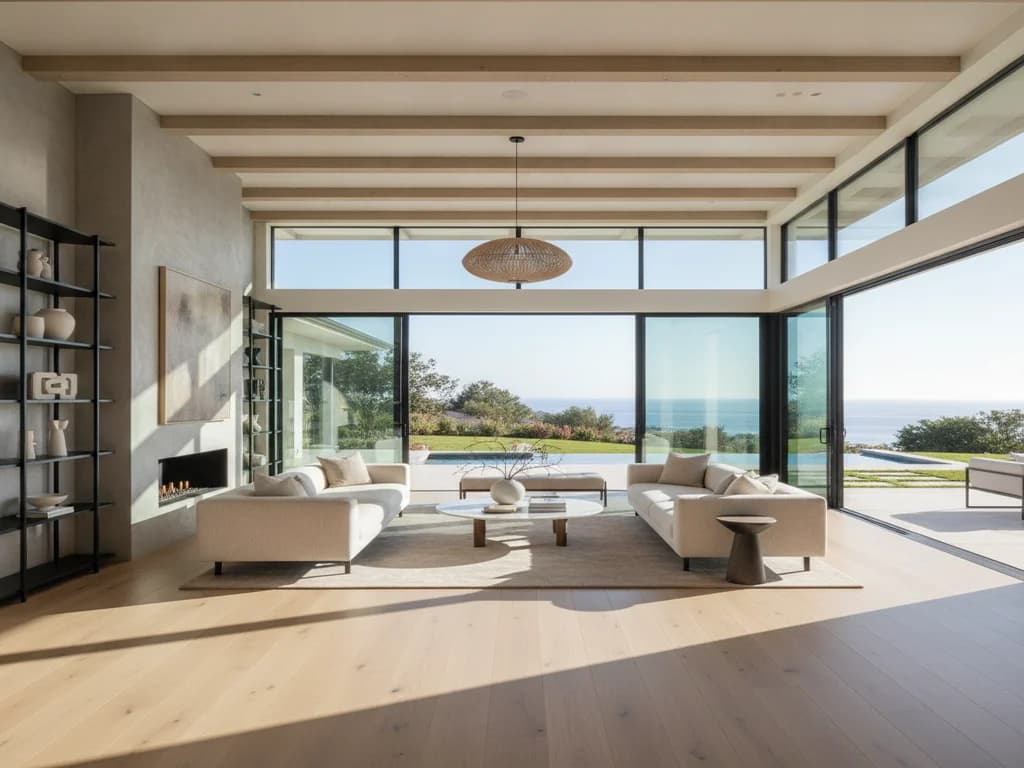
Ready for Floors You'll Love?
Free estimates on hardwood flooring throughout Greater Sacramento & Northern California.