Flooring
Flooring Materials in Northern California
Every material we install, with the same careful prep and precision on each — throughout Greater Sacramento & Northern California.
Flooring Types
What We Install
Every material we work with, installed with the same careful prep and precision.
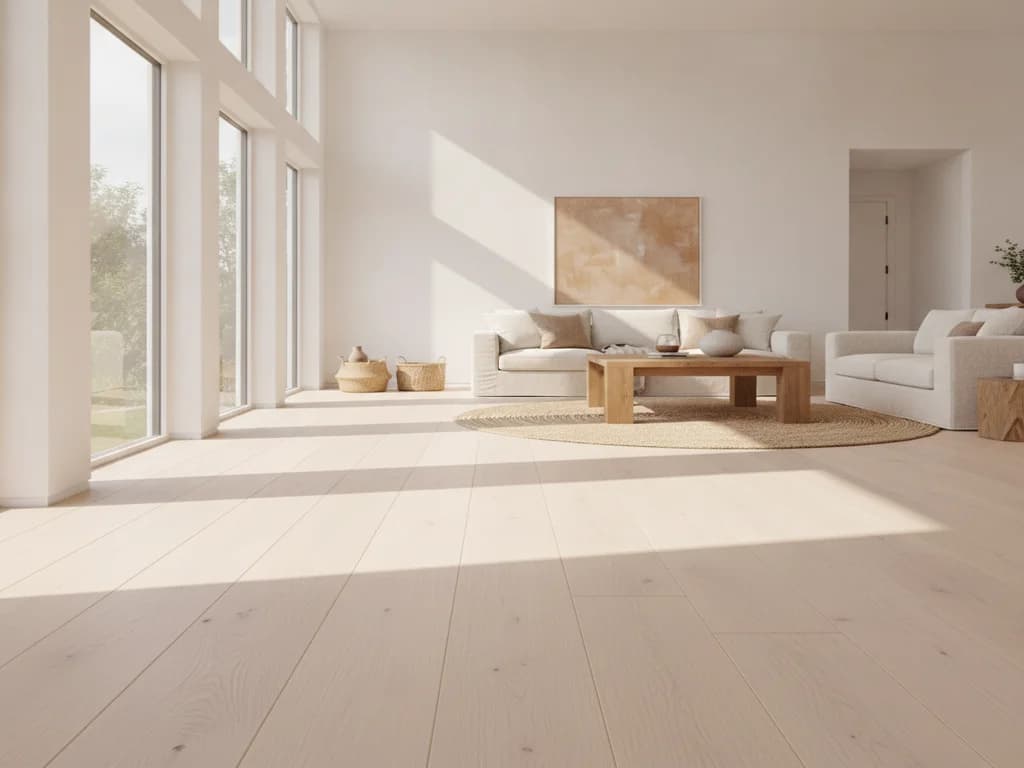
Hardwood Flooring
Solid oak, maple, and walkable heirloom-grade hardwood, precisely installed.
Learn More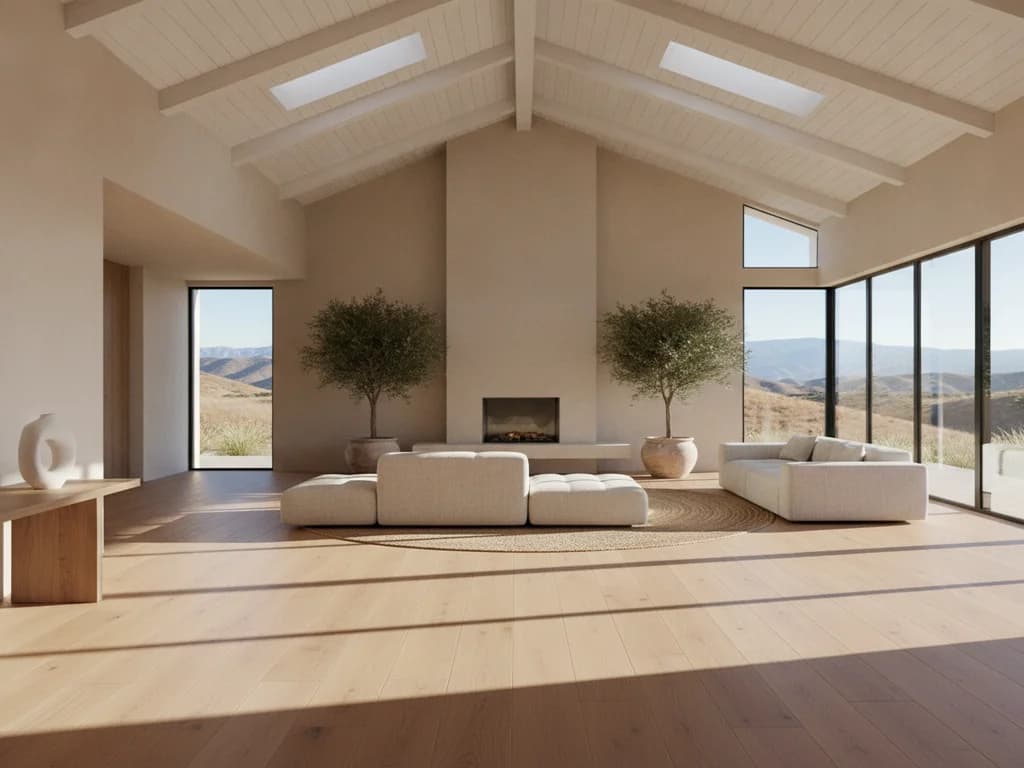
Engineered Hardwood
Real-wood wear layers built for California's climate swings.
Learn More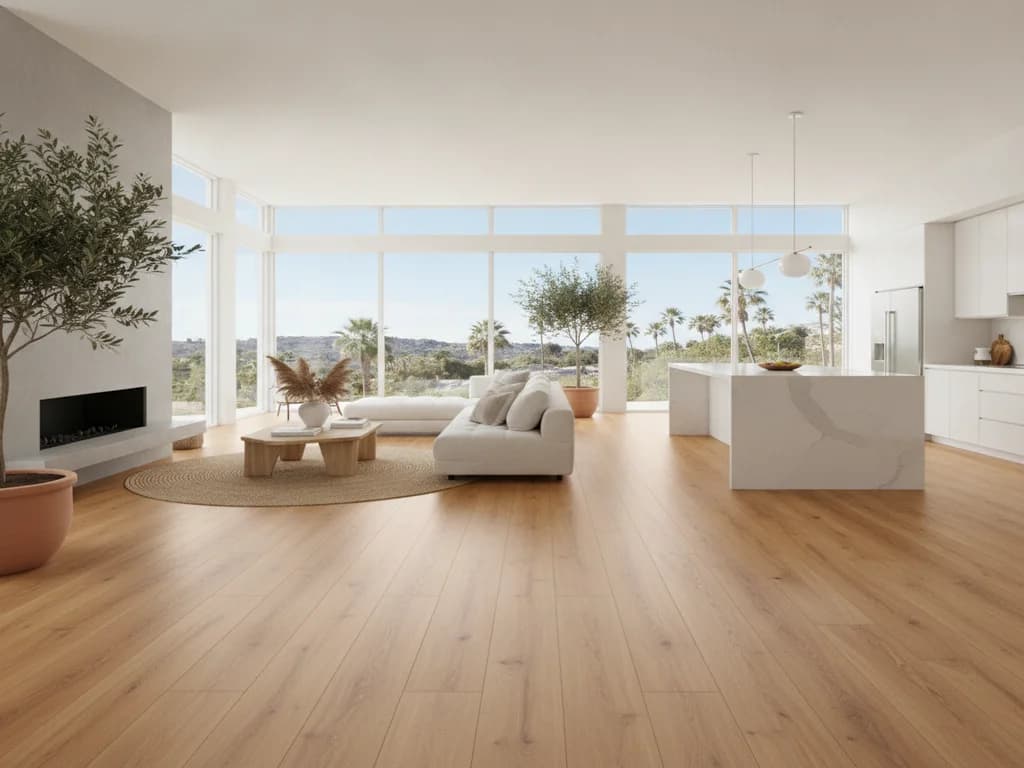
Luxury Vinyl Plank
Waterproof, wood-look LVP for kitchens, baths, and busy households.
Learn More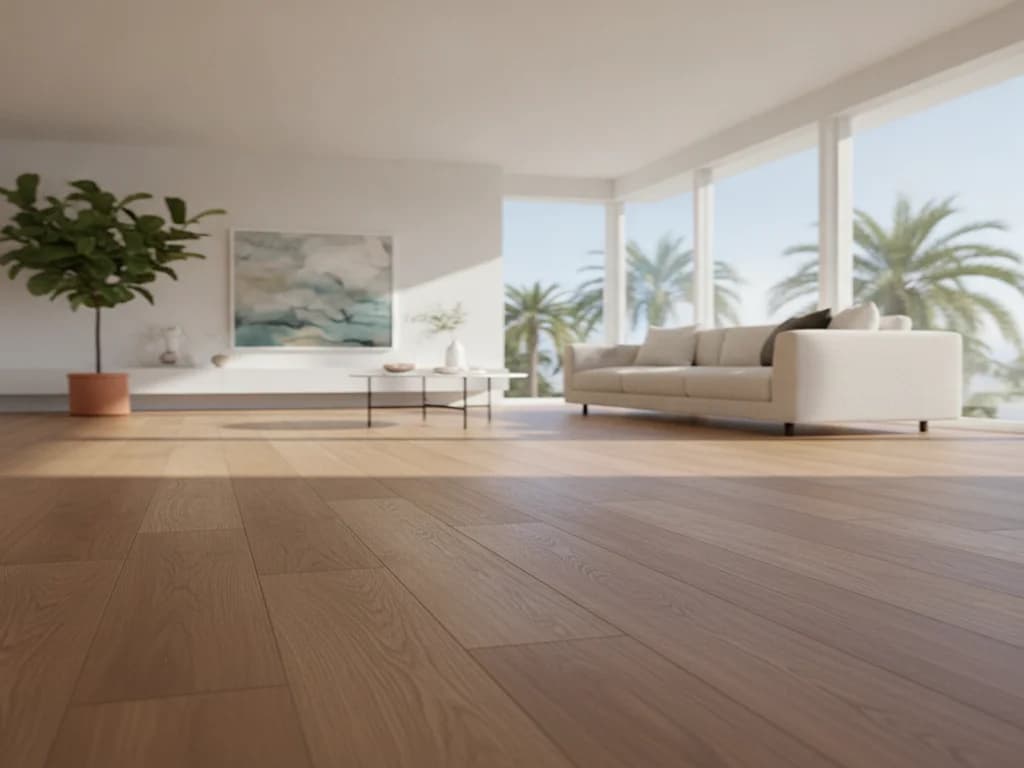
Laminate Flooring
Durable, high-style laminate at a friendly price point.
Learn More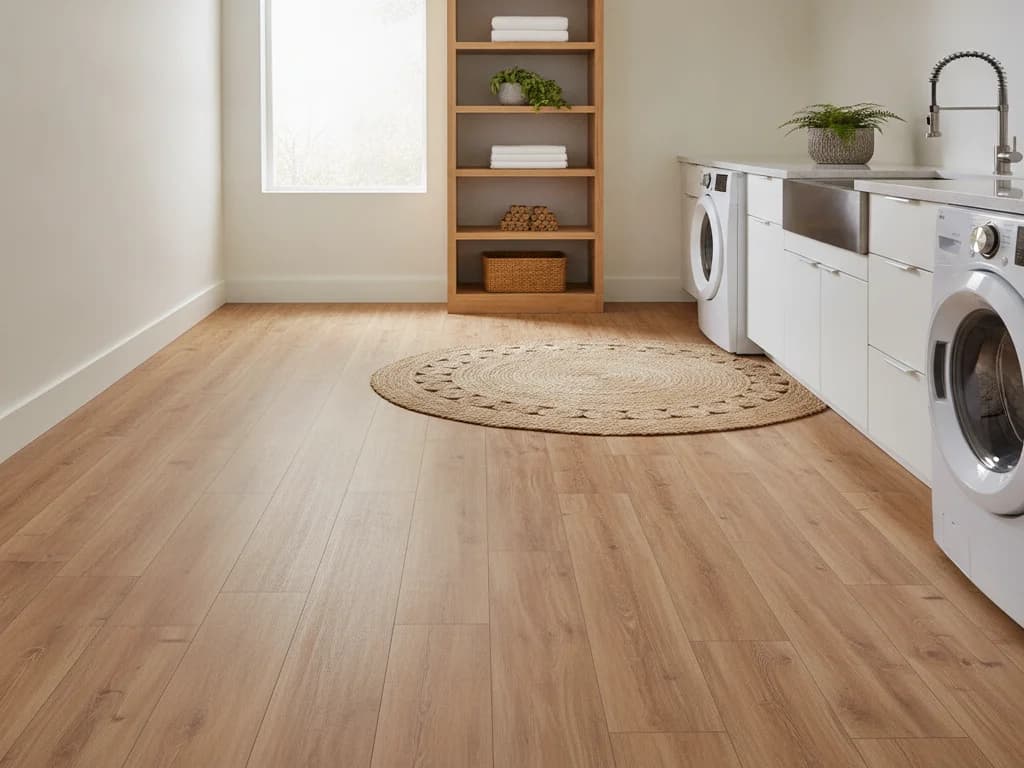
Sheet Vinyl
Seamless, water-resistant sheet vinyl for utility spaces.
Learn More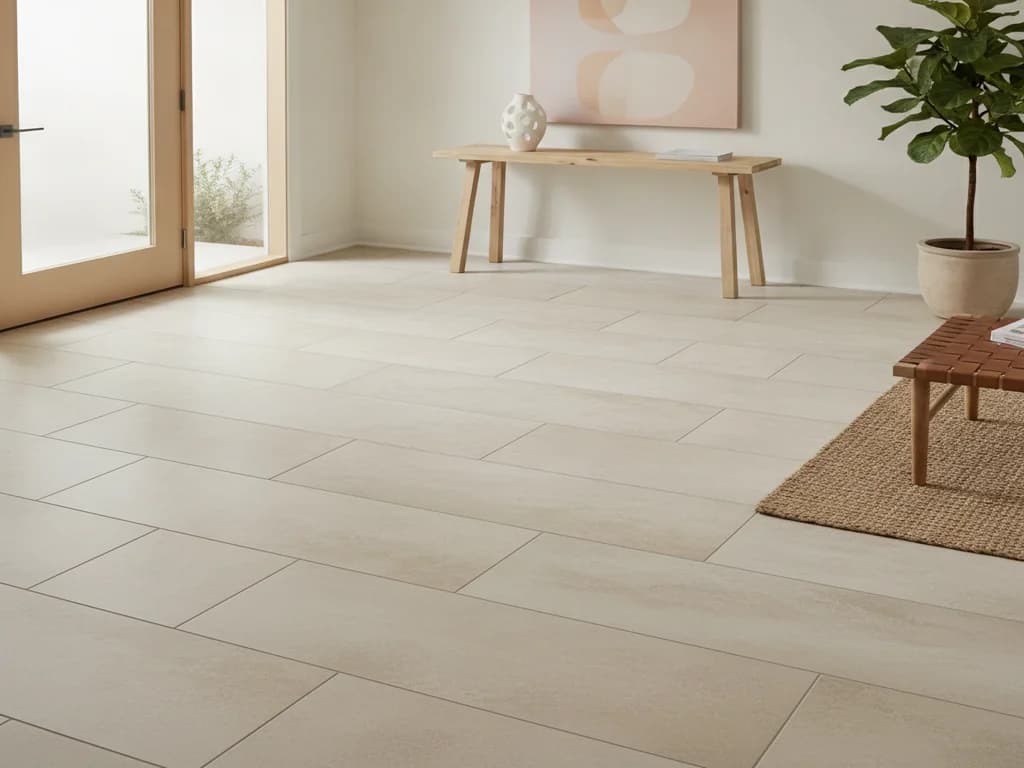
Tile Flooring
Porcelain and ceramic tile set dead-level with crisp grout lines.
Learn More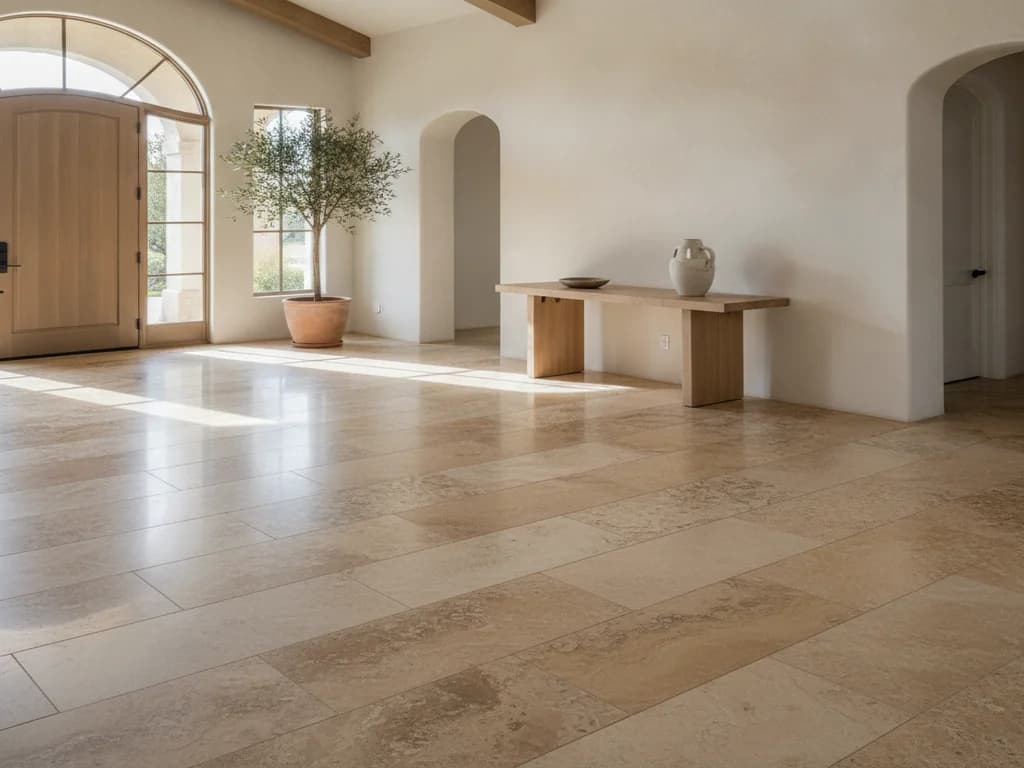
Natural Stone
Travertine, marble, and slate installed with a craftsman's eye.
Learn More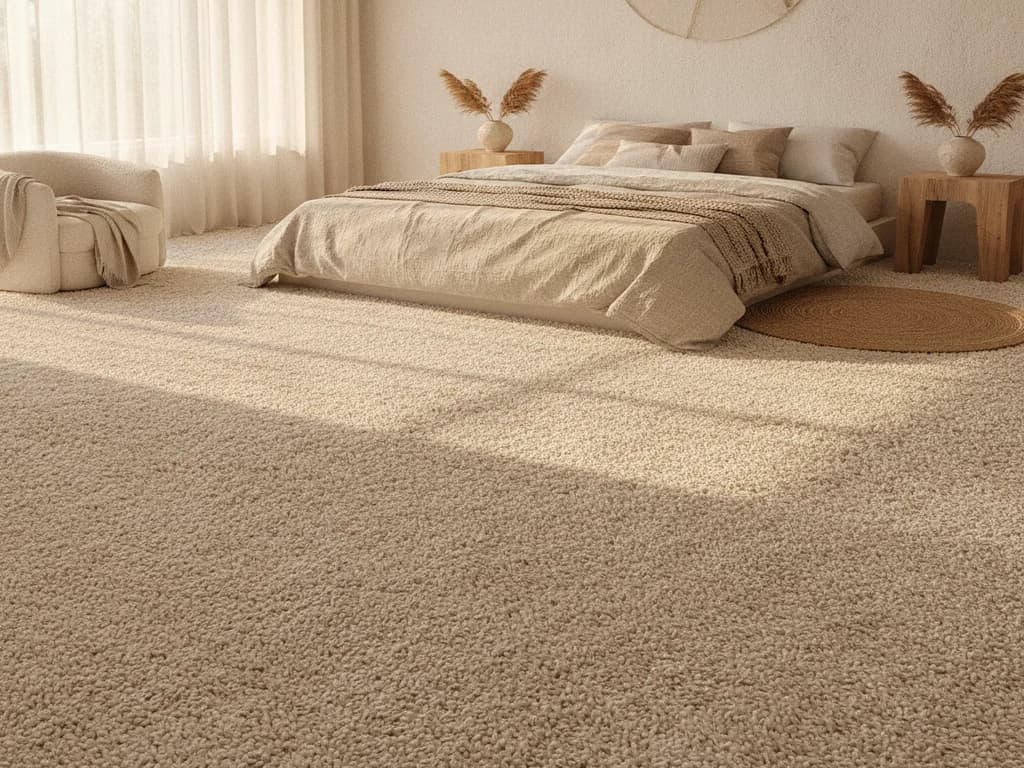
Carpet Installation
Plush, tight-stretched carpet for bedrooms and stairs.
Learn MoreChoosing a Material
Start With the Room, Not the Look
Every material here is a good floor in the right place and a problem in the wrong one. Three questions settle most of it.
1. What is under the floor?
A concrete slab and a wood subfloor above a crawlspace are different problems. Solid hardwood is milled from one piece of wood and moves with moisture, so it is not recommended below grade or over a slab without the right conditions; engineered hardwood, luxury vinyl, and tile all handle a slab comfortably. On concrete we test moisture with an in-situ relative-humidity probe before anything goes down, because excess slab moisture is invisible until the floor has already failed.
2. How much water does the room see?
Full bathrooms and laundry rooms rule out wood, laminate, and carpet outright. Kitchens and basements are the interesting middle: engineered hardwood is a strong fit, laminate generally is not, and luxury vinyl handles either without hesitation. Tile works anywhere water does, but a shower or tub deck needs a real waterproofing membrane behind it — tile and grout are not waterproofing on their own.
3. Restore it, or replace it?
This is the difference that shows up in year fifteen, not year one. Solid hardwood can usually be sanded and refinished several times, so a tired floor is restored rather than torn out. Engineered wood depends entirely on wear-layer thickness, and we will tell you honestly which product you are looking at. Luxury vinyl, laminate, and sheet vinyl are not refinishable — worn sections get replaced.
| Material | Water exposure | When it wears out | Fits best in |
|---|---|---|---|
| Solid Hardwood | Dry rooms only — not below grade, not over a slab without the right conditions, not full baths | Sand and refinish, typically several times over decades | Living, dining, and bedrooms on a wood subfloor above grade |
| Engineered Hardwood | Handles humidity well — good in kitchens and basements, not full baths or standing water | Only if the wear layer is thick enough; some products are made to be replaced | Slab-on-grade homes, kitchens, basements, and wide-plank looks |
| Luxury Vinyl Plank | Waterproof at the plank; seams are not a substitute for plumbing that works | Not refinishable — damaged planks are replaced | Kitchens, bathrooms, mudrooms, basements, rentals, and high-traffic homes |
| Laminate | Water-resistant cores are not waterproof — standing water swells the seams | Not refinishable — it is a printed layer, not wood | Bedrooms, living rooms, and offices — moderate traffic, dry areas |
| Tile | Yes, but showers and tub decks need a real waterproofing membrane, not just tile and grout | Lasts indefinitely; grout needs sealing and periodic resealing | Bathrooms, entries, kitchens, and anywhere moisture is routine |
| Natural Stone | Porous — must be sealed before grout and periodically after; marble and limestone etch on acid | Lasts indefinitely; sealing is ongoing, not optional | Entries and feature spaces; weigh etching honestly before a kitchen |
| Sheet Vinyl | Yes, where seams are properly sealed | Not refinishable — replaced when worn | Smaller rooms, utility spaces, laundry, and rental turns |
| Carpet | The least water-tolerant option — wrong for bathrooms and laundry rooms | Not refinishable — replaced when worn | Bedrooms and comfort spaces where softness and quiet matter most |
Not sure which row applies to you? The floor finder asks four questions about the room, the subfloor, and the household, and shows its reasoning for every material it recommends or rules out.
None of this replaces looking at your actual rooms. Grade, subfloor condition, existing transitions, and how the space is used change the answer often enough that we measure in person before quoting — a number given sight-unseen rarely survives contact with the subfloor.
Good to Know
Choosing a Flooring Material
Which flooring is best for a house on a concrete slab?
Engineered hardwood, luxury vinyl plank, and tile are all sound choices over a concrete slab. Solid hardwood is the one to be careful with — it is milled from a single piece of wood and moves with moisture, so it is not recommended over a slab without the right conditions. Whatever goes down, the slab should be moisture-tested first with an in-situ relative-humidity probe (ASTM F2170); excess slab moisture is a leading cause of adhesive failure and cupping, and it is invisible until the floor is already damaged.
What flooring can go in a bathroom?
Tile, luxury vinyl plank, and sheet vinyl. Tile needs a real waterproofing membrane behind it in showers and on tub decks — tile and grout alone are not waterproofing. Solid hardwood, engineered hardwood, laminate, and carpet are all wrong for a full bathroom, though engineered wood and laminate are fine in bedrooms and living areas nearby.
Which floors can be refinished instead of replaced?
Solid hardwood can typically be sanded and refinished several times across its life, which is why a worn floor can usually be restored rather than torn out. Engineered hardwood depends entirely on wear-layer thickness — some products can be sanded once or twice, others are designed to be replaced. Luxury vinyl plank, laminate, and sheet vinyl cannot be refinished; damaged sections are replaced. Tile and stone are not refinished but last indefinitely, with grout sealing and stone sealing as ongoing maintenance.
What is the most durable flooring for a busy household with pets?
Luxury vinyl plank is the usual answer for homes with dogs and heavy traffic: it is waterproof at the plank, it resists scratching well, and damaged planks can be swapped out. Among woods, hickory is the hardest common domestic species and hides wear well, and a character-grade floor disguises marks better than a clean, uniform one. Carpet is the least suitable where accidents are likely.
Does the subfloor really matter that much?
It is the single biggest factor in how a floor performs and how much the job costs. Most flooring failures are subfloor failures wearing a floor's clothes. Flatness, soundness, and moisture all have to be right before anything goes down — an uneven or bouncy subfloor telegraphs through vinyl, cracks tile, and makes wood squeak, and correcting it is not optional work.
Looking for refinishing, repair, or specialty work instead? See all flooring services, or explore wood species & wide-plank formats.
Related
Keep Reading
Related pages: Floor Finder, Carpet Installation, Hardwood Flooring, and Engineered Hardwood.
Ready for Floors You'll Love?
Free estimates on any flooring project throughout Greater Sacramento & Northern California.