Custom Hardwood
Wood Species & Wide-Plank Flooring
The woods, tones, and formats that define custom mountain and luxury interiors — chosen and installed to last at altitude.
These are the individual species and patterns. For how the materials differ structurally, read How Flooring Materials Differ.
Our Specialty
Custom Engineered & Solid Hardwood
We specialize in the wide-plank white oak, French oak, and rich hardwoods that mountain-modern and luxury homes are built around.
Wood Species
The hardwoods themselves — grain, hardness, and how each ages.
Species
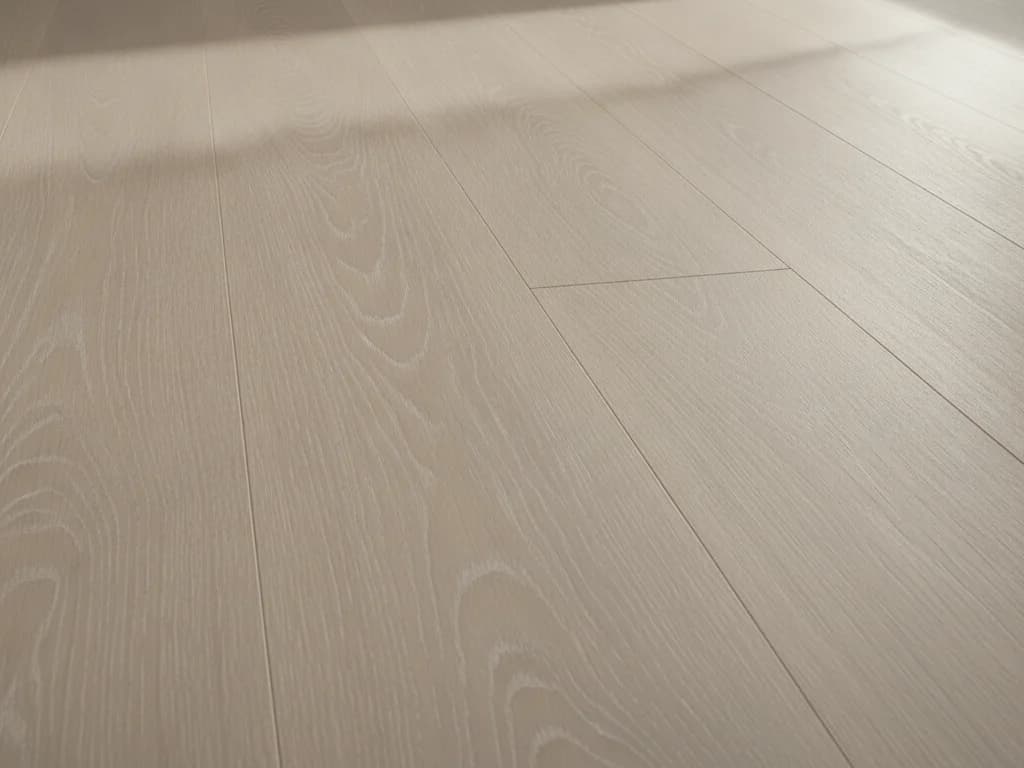
European White Oak
The signature wood of modern mountain and luxury interiors, taking wire-brushed, matte, and custom stains beautifully across wide-plank formats. A different species group from American white oak.
Species
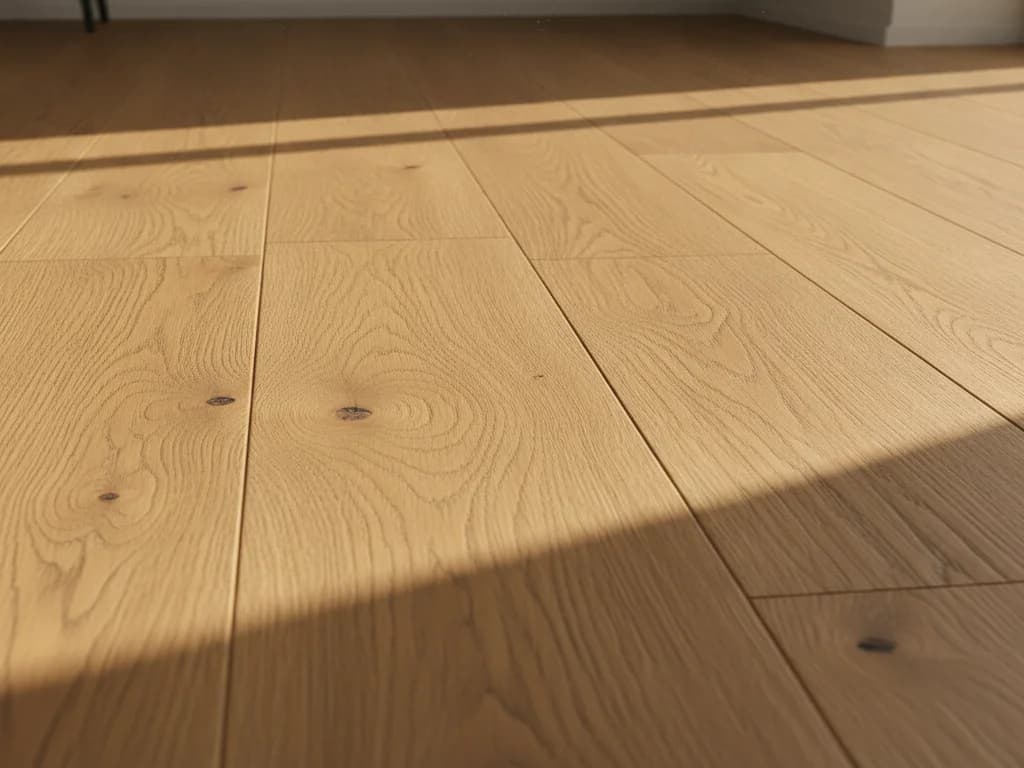
French Oak
A European white oak prized for tight, elegant grain and its ability to carry rich custom colors, wire-brushing, and reactive finishes on wide, long planks.
Species · 1,360 lbf Janka
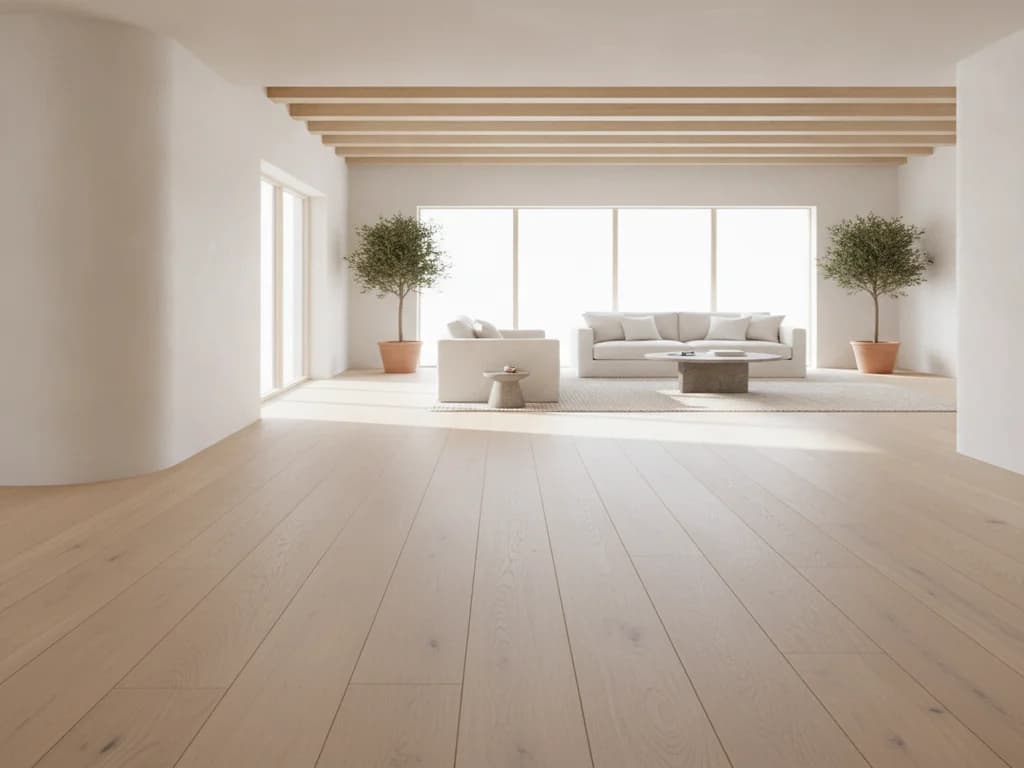
American White Oak
A durable, widely available domestic hardwood with a classic look — a versatile, refinishable choice that fits everything from cabins to contemporary homes.
Species · 1,010 lbf Janka
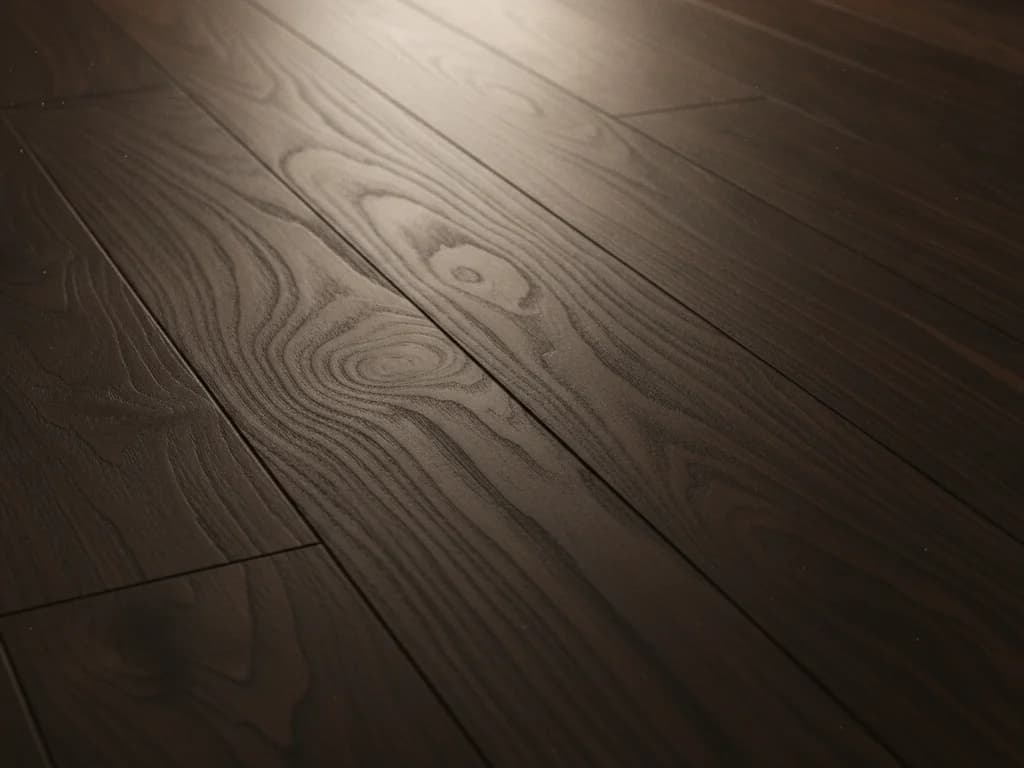
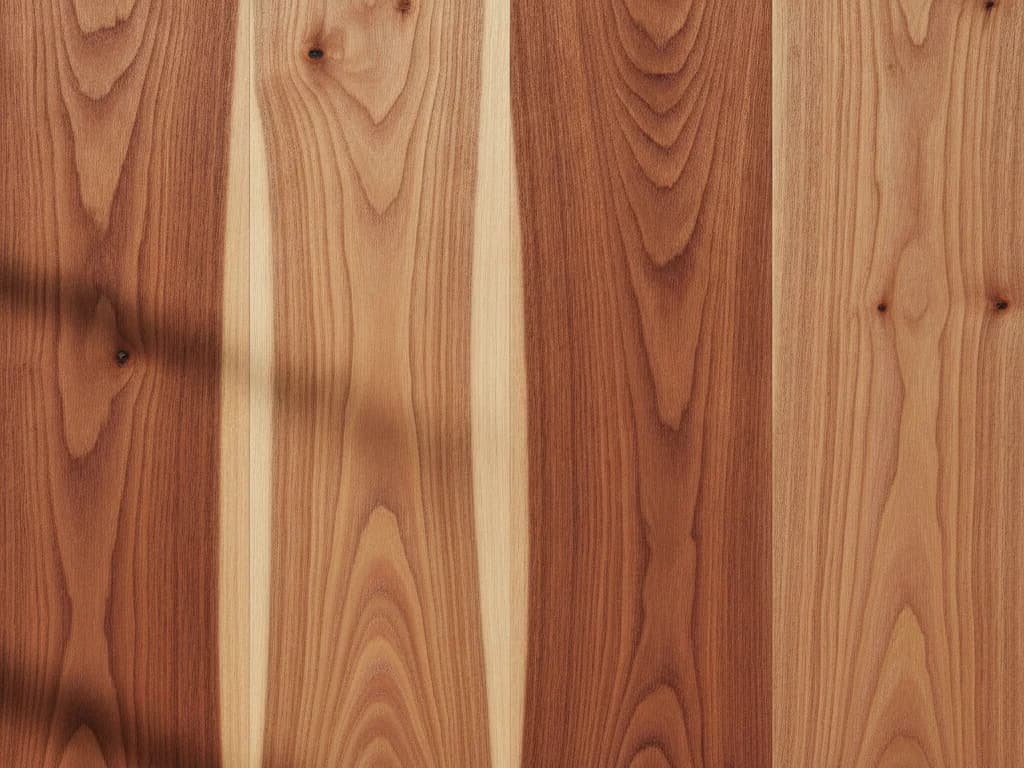
American Walnut
Rich, deep chocolate tones and flowing grain make walnut one of the most luxurious hardwood floors — warm, dramatic, and timeless.
Species · 1,820 lbf Janka
Hickory
One of the hardest domestic hardwoods at 1,820 lbf, with bold grain and dramatic color variation, well suited to busy mountain and family homes. Also the most seasonally active.
Species · 1,450 lbf Janka
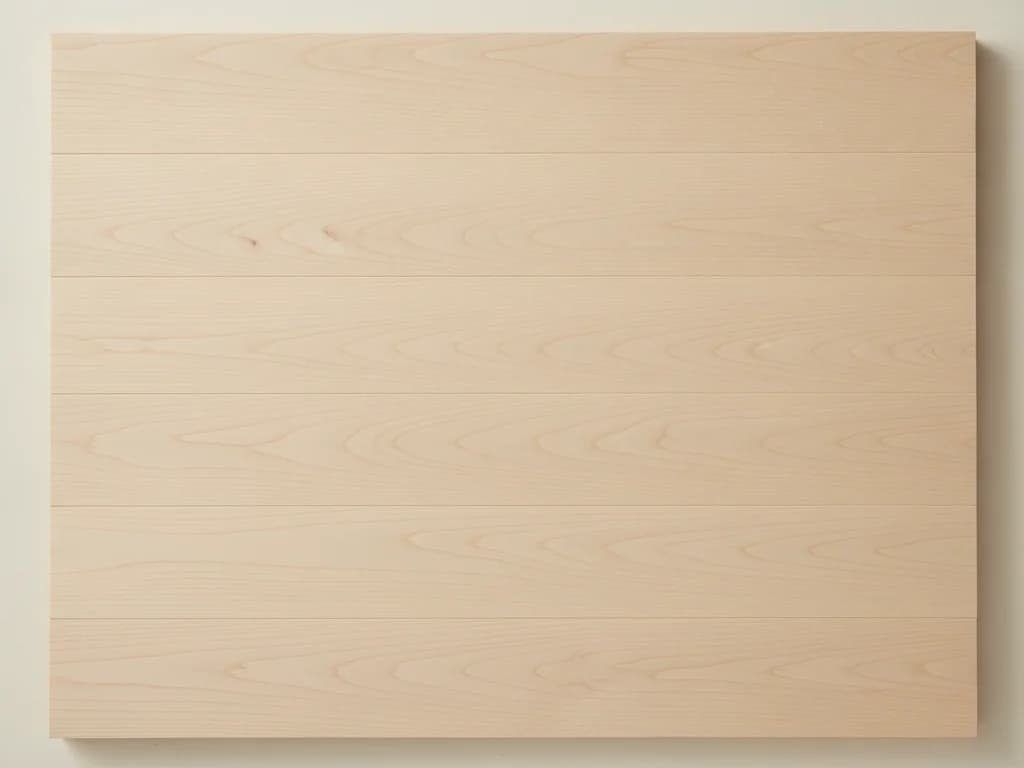
Hard Maple
A clean, hard, fine-grained domestic hardwood with a bright, uniform look — understated and durable for contemporary interiors.
Species
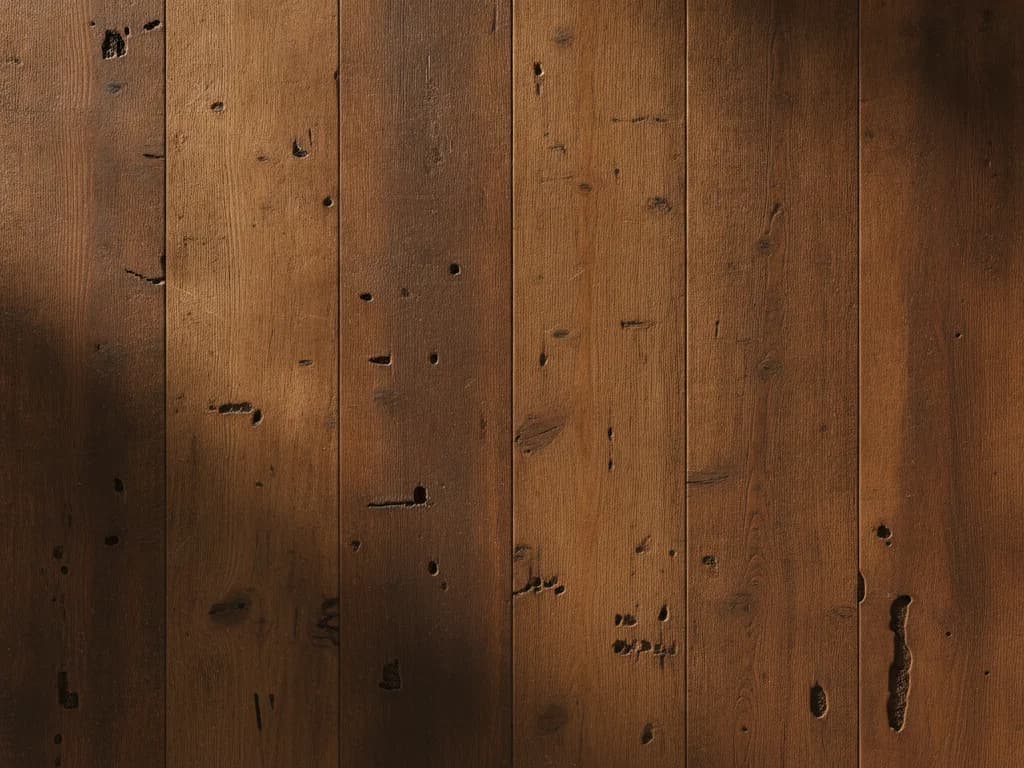
Reclaimed Oak
Character-rich oak salvaged from old barns, mills, and structures — genuine patina, nail holes, and history reworked into a warm, one-of-a-kind floor.
Plank Formats
Board widths and cuts that change how a floor reads and moves.
Format
Wide-Plank Flooring
Wide, long boards (typically 7"–10"+) that make rooms feel larger and more custom — the defining look of modern mountain and luxury interiors.
Format
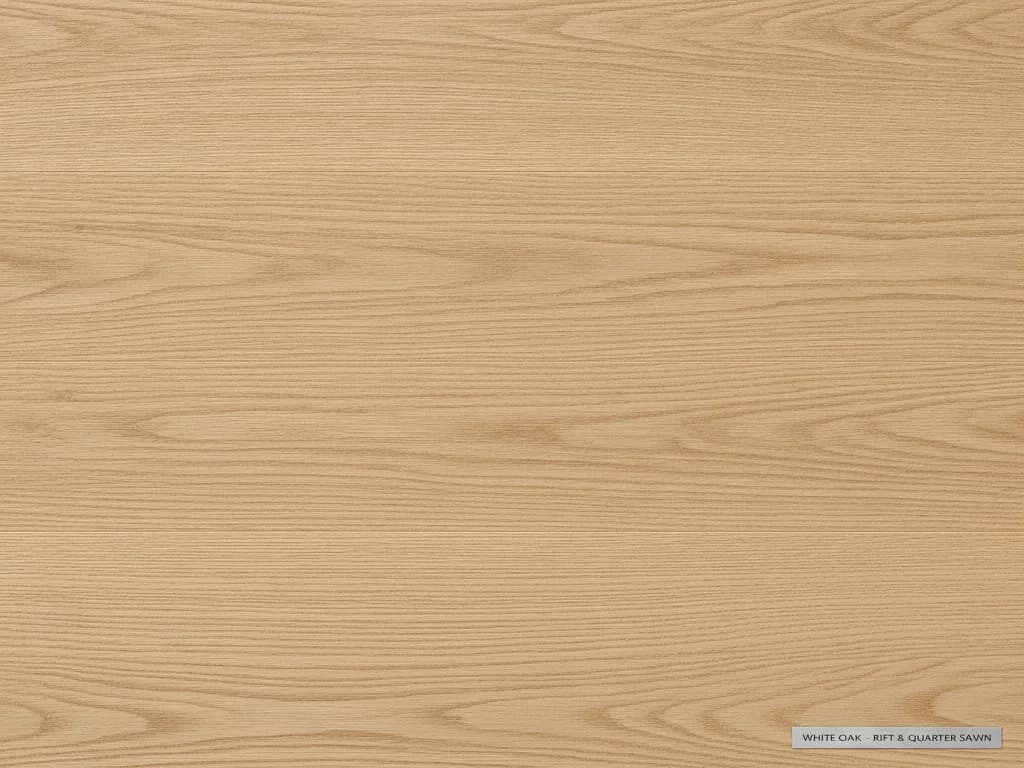
Rift & Quarter-Sawn Oak
Oak milled at a different angle to the growth rings, giving straight linear grain and ray-fleck figure that moves about half as much as plainsawn oak. Rift and quarter-sawn, explained.
Patterns
Chevron, herringbone, and parquet layouts for statement floors.
Pattern
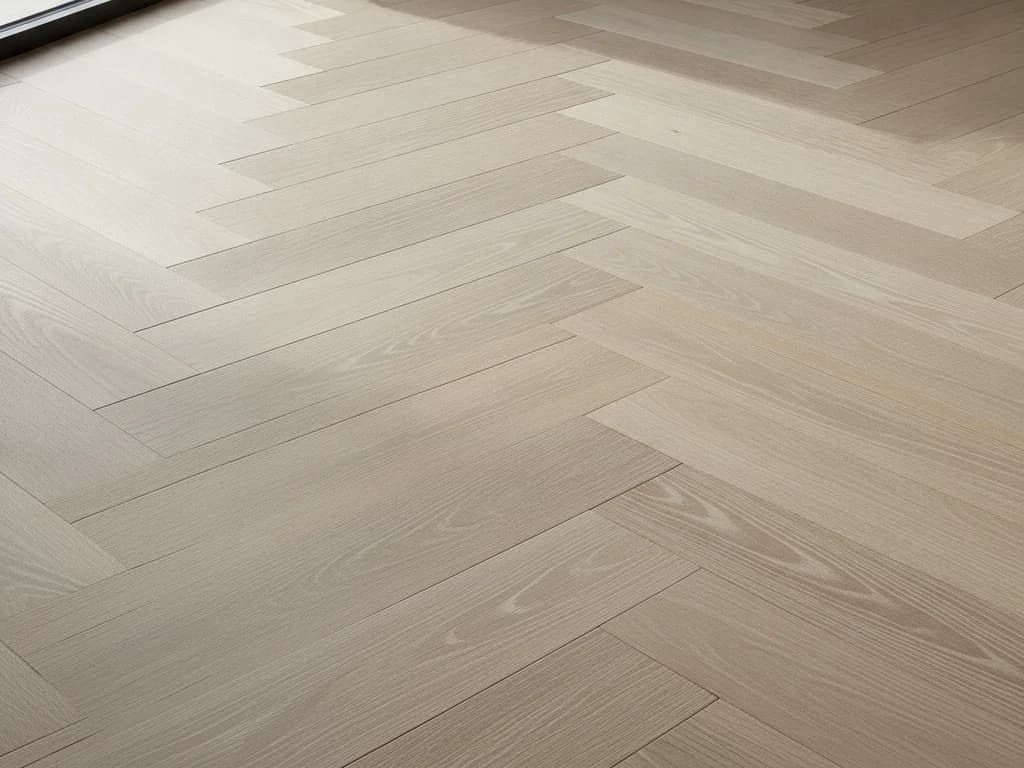
Chevron
Boards cut at an angle and joined point-to-point into continuous zigzag lines — a crisp, tailored, distinctly European pattern for statement spaces.
Pattern
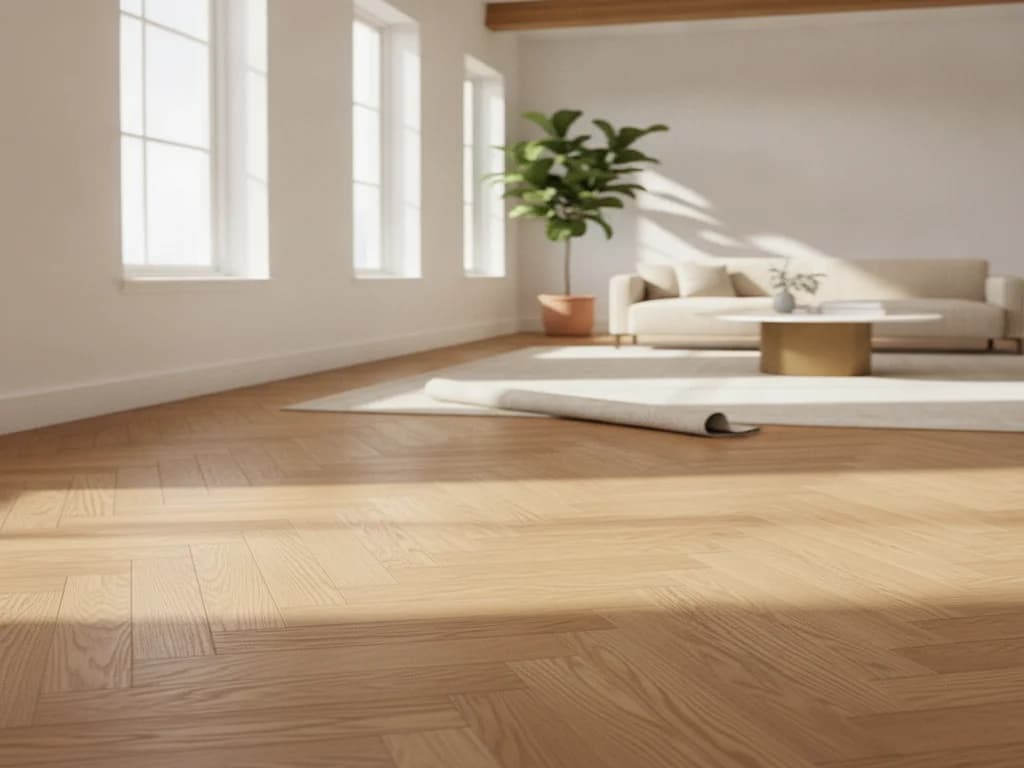
Herringbone
Rectangular boards set at right angles in a staggered, broken zigzag — a timeless, classic pattern that adds craft and movement to any room.
Pattern
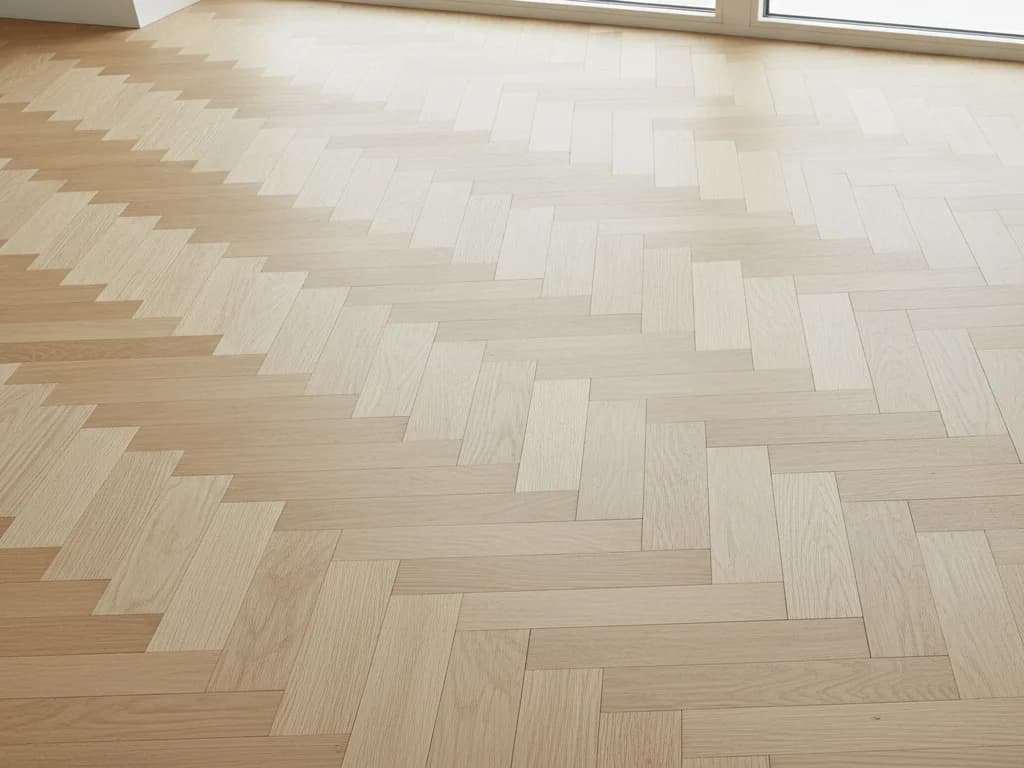
Parquet
Geometric wood pieces arranged into repeating patterns, from classic squares to bespoke basket-weave and mosaic designs. Floors that read as craft rather than surface.
Related
Keep Reading
Related pages: Alex Both — Owner & Lead Installer, Laminate vs. Luxury Vinyl Plank: What's the Difference?, European White Oak, and French Oak.
Good to Know
Frequently Asked Questions
What is the difference between a species, a pattern, and a format?
A species is the wood itself — white oak, walnut, hickory, maple — and it determines hardness, grain, colour and how much the floor moves with humidity. A pattern is how the pieces are arranged: herringbone, chevron, parquet. A format is how the boards are cut or sized: wide plank, rift and quartersawn. They are independent choices, which is why this hub lists all three together — you can have wide-plank rift-sawn white oak laid in herringbone, and each of those three decisions changes the price and the behaviour separately.
How should I choose between species?
By the two properties that are actually different between them, then by looks. Hardness determines how readily the floor dents, and is the number most sites publish. Dimensional stability determines how much it moves seasonally — which is what produces gaps in a dry winter — and almost nobody publishes it, though the USDA Forest Products Laboratory does. Those two are frequently not correlated: hickory is the hardest common species and also the most seasonally active. Once both are acceptable for your house, the remaining choice genuinely is aesthetic.
Does the cut of the board really matter?
More than most people expect, and it is measurable. A rift or quartersawn board presents its radial face across the width, and for American white oak the radial coefficient is roughly half the tangential one — so the same board, same species, same width moves about half as much seasonally when it is rift or quartersawn rather than plainsawn. It also reads completely differently: straight, calm grain instead of cathedral figure. That is what the cut premium buys.
Do you install all of these?
Yes — every species, pattern and format listed on this hub, in both solid and engineered construction. Which one is right for a given house depends on the substrate, the grade level, whether there is radiant heat, and how the house is conditioned through the year, so the material conversation usually starts with the building rather than with the sample.
Find the Right Wood for Your Home
Call (916) 749-0272 — we'll bring samples and help you choose the species, tone, and format that fit your space and climate.