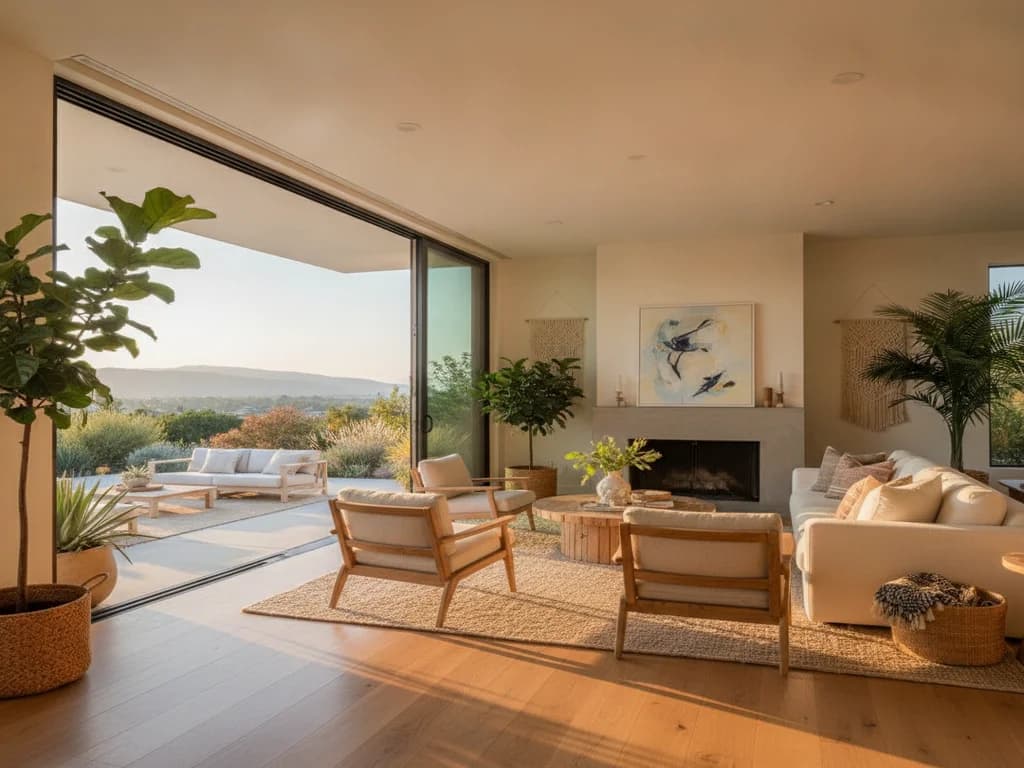
Flooring Problem
Sun Fading & UV Discoloration on Hardwood Floors
Why is my hardwood floor fading or changing color where the sun hits it, and can it be prevented?
The Short Answer
What Causes Sun Fading?
Sun fading is photodegradation — UV and visible light break down the wood's natural color compounds, and some finishes, right at the surface. Every wood changes color in light, and the direction depends on the species: some lighten and fade (walnut and many exotics), some darken and richen (American and Brazilian cherry), and many oaks amber or yellow. Because light only reaches the top layer, the color change is shallow, generally within the top few millimeters.
The visible problem is usually unevenness, not the shift itself. A rug or piece of furniture blocks light, so when you move it you find a sharp ghost outline of the original color. The honest framing is that fading cannot be fully stopped and is not structural damage — it is surface color. Where it is uneven, the fix lives at the surface: let the area re-equalize, or sand and refinish to reset the color, and then cut the UV going forward so it does not simply re-fade.
How to Recognize Sun Fading
A crisp lighter-or-darker rectangle where an area rug or sofa used to sit, or a whole sun-drenched room that has drifted a different shade than the shaded rooms.
Root Causes
Why Sun Fading Happens
UV and visible-light photodegradation
Sunlight breaks down lignin and color extractives at the wood's surface; the effect is normal and universal to real wood (FPL-GTR-190 finishing/weathering).
Species photosensitivity
High-reaction woods change fast and dramatically — American and Brazilian cherry darken, walnut lightens, maple and hickory shift modestly.
Rug and furniture masking
Covered areas receive no light and stay the original color while the exposed field changes, leaving the ghost outlines homeowners notice most.
Finish ambering
Some finishes, especially oil-based polyurethane, yellow with age and UV independent of the wood, adding to the overall color shift.
Stain vs. natural color
A pigmented stain can fade at a different rate than the raw wood, so a stained floor may show fade where the wood underneath is more stable, or the reverse.
What You Can Check
- Move a rug or furniture leg and look for a hard-edged outline; a sharp line means UV masking (ghosting), confirming light rather than a spill or wear as the cause.
- Note the pattern relative to windows: fade concentrated along south- and west-facing light paths confirms sun exposure.
- Identify the species and its known direction — if a faded-looking cherry floor is actually getting darker, that is expected ambering, not damage.
- Check depth with a discreet light scuff: photodegradation is shallow, so if the original color reappears just below the surface, refinishing can reset it.
Can It Be Saved? Repair vs. Replace
Even, whole-room shift you can live with: nothing to fix — it is natural patina, which you can embrace or slow with UV control.
Fresh ghost outline: rotate or remove the rug and let the covered area receive the same light; over weeks to months many floors re-equalize and the line fades on its own.
Persistent uneven color or a stubborn outline: screen and refinish to remove the photo-aged surface and reset color uniformly (it works because the change is shallow), then control UV so it does not recur.
Fade combined with worn-through finish or a veneer too thin to sand: board or floor replacement — but pure color fade rarely justifies replacement on its own.
Prevention
How to Prevent Sun Fading
- Especially in the first year, rotate rugs and furniture periodically so the whole floor ages evenly and no hard outlines set (NWFA guidance).
- Manage the light with UV-filtering window film, low-E glass, blinds, sheers, or shades; NWFA notes fading can be slowed but not fully stopped.
- Choose species and finishes with the aging in mind — expect oil-based poly and cherry to darken, and pick UV-stabilized finishes where color stability matters.
- Re-equalize proactively before a big furniture change so you are not unveiling a years-old ghost outline all at once.
Good to Know
Frequently Asked Questions
Will my faded floor color come back if I keep it out of the sun?
Partially, sometimes. Because the color change is only in the top surface, a ghosted area often re-blends over weeks to months once it gets the same light as the rest of the floor, which is why rotating rugs works. But a deep, long-set difference, especially on strongly reacting species, may not fully even out, and then refinishing is the only way to truly reset it.
Does UV window film actually help, or is that a sales pitch?
It genuinely reduces the UV reaching the floor and can noticeably slow fading, so low-E and UV films are a legitimate mitigation. What it cannot do is stop color change entirely, because visible light also drives some photo-reaction and no film blocks all of it. Treat it as slowing the clock rather than stopping it, and pair it with rug rotation for even aging.
Is fading a warranty defect I can claim?
Almost never. Manufacturers and NWFA treat photo-related color change as a normal, expected characteristic of real wood rather than a defect, so it is typically excluded from warranties. The honest expectation is that every wood floor changes color in light; your job is to make it change evenly and slow it, not to prevent it.
Sacramento gets intense summer sun — are my floors doomed to fade fast?
Our long, high-UV summers and lots of big west-facing windows do accelerate fading here, especially in great rooms and near sliders. That is a reason to be proactive locally with UV film or solar shades on the sunniest exposures and to rotate rugs through the first year or two. It is manageable — plenty of NorCal floors age beautifully — but ignoring west sun is how you get a hard rug outline.
Related
Keep Reading
Related pages: Flooring Problems, Luxury Staircases, European White Oak, and French Oak.
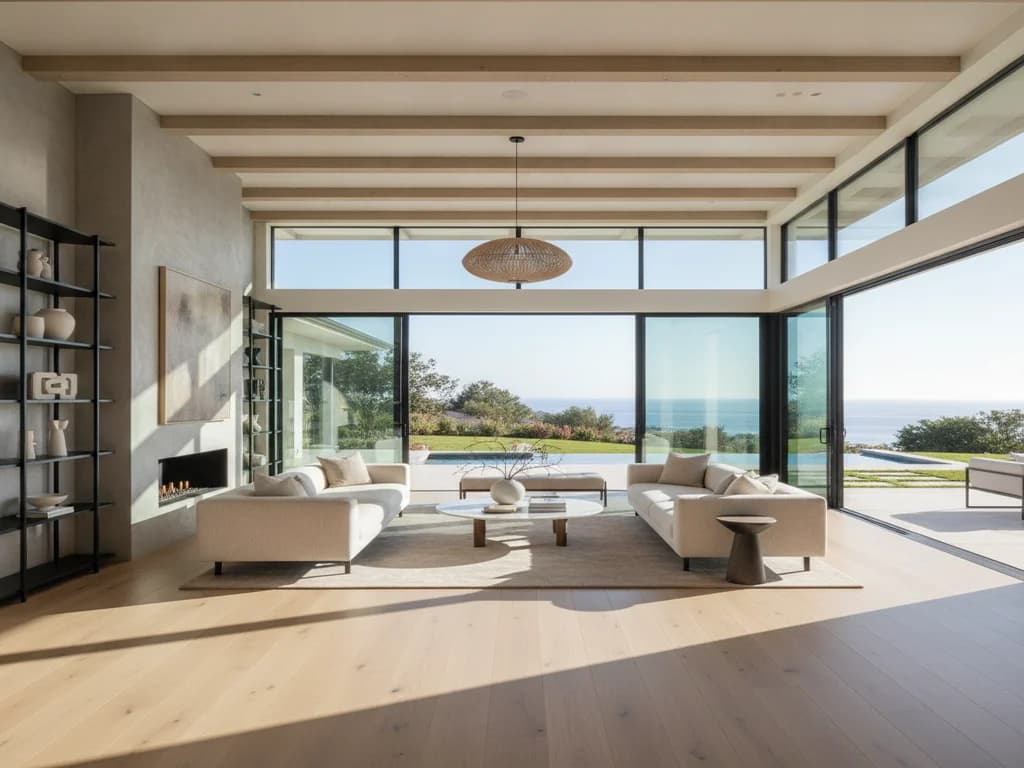
Think You Have Sun Fading?
We'll inspect your floor, find the moisture or structural source, and tell you honestly whether it's a repair or a replacement. Call (916) 749-0272 for an assessment.