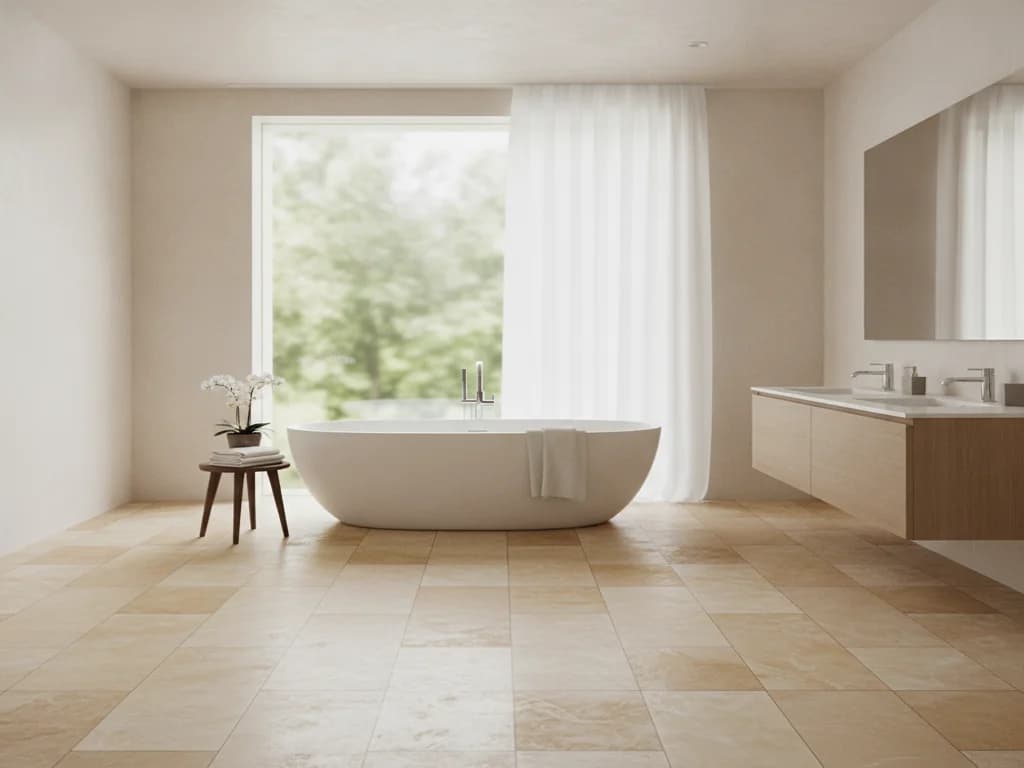
Floor Care
How to Care for Tile Floors
How do I clean and maintain ceramic or porcelain tile floors and keep the grout looking good?
Glazed ceramic and porcelain tile is the most durable, water-resistant floor we install, and the tile face itself asks very little. The principle that matters most is that the grout, not the tile, is the part that needs care. Grout lines are porous, sit lower than the tile, and collect the dirt, grease, and moisture that make a clean tile floor still look dingy. Keep the grout clean and — where it's cement-based — sealed, and the whole floor stays looking new.
Routine tile care is simple and the payoff is decades of service from a nearly bulletproof surface. The cost of neglect shows up in the grout: unsealed cement grout stains and darkens, acidic cleaners eat it away, and neglected joints eventually crumble, letting water reach the substrate. A little grout attention prevents an expensive regrout later.
Every Day
Routine Care
Sweep or vacuum grit regularly
Grit is abrasive and, over time, can dull a glazed or polished tile surface and grind into grout lines. Dry-remove it with a soft broom or vacuum before mopping, especially in entries and kitchens.
Damp-mop with a neutral-pH cleaner
TCNA and grout manufacturers recommend a neutral (pH-balanced) cleaner and clean water for routine mopping. Neutral cleaners lift soil without attacking cement grout or dulling the finish.
Change your mop water often
Dirty mop water just smears grimy film into the porous grout, which is why clean tile can still look hazy. Rinse with fresh water and wring well so residue doesn't dry in the joints.
Wipe greasy and colored spills promptly
Tile is stain-resistant, but oils, wine, and dyes can absorb into unsealed cement grout. A quick wipe keeps the grout lines from discoloring.
Use mats at entries
Walk-off mats cut the grit and tracked-in grime that both dull tile and dirty grout. Less soil reaching the floor means less scrubbing and cleaner joints.
Don't
What to Avoid on Tile Floors
No vinegar, lemon, or acidic cleaners on cement grout or stone
Acids slowly dissolve and erode cement-based grout and etch natural stone and polished surfaces. This is the most common tile-care mistake; use a neutral cleaner instead.
No harsh abrasive powders or steel wool on glazed or polished tile
Scouring powders and metal pads can scratch and dull the glaze and polished finishes. Use a soft brush on grout and non-abrasive pads on the tile face.
No wax or shine coatings on glazed tile
Glazed ceramic and porcelain never need wax; coatings build up into a dull, slippery film that traps dirt. Keep the tile bare and let a neutral cleaner do the work.
Don't leave grout unsealed where it should be sealed
Cement-based grout is porous and stains readily; leaving it unsealed in a kitchen or bath invites permanent discoloration. (Epoxy grout is an exception and doesn't need sealing.)
Don't assume bleach is a safe grout fix
Repeated straight bleach can weaken cement grout over time and discolor colored grout, and its fumes are harsh. Use it sparingly and diluted, or a dedicated grout cleaner, and rinse well.
Now & Then
Periodic Maintenance
Reseal cement-based grout periodically
Apply a penetrating grout sealer after installation and then roughly every one to two years in wet or high-traffic areas, or when water stops beading in the joints. Porcelain and glazed ceramic tile themselves don't need sealing — only cement grout (and any natural stone) does.
Deep-clean grout lines as needed
When routine mopping no longer keeps joints bright, scrub the grout with a neutral or alkaline grout cleaner and a soft brush, then rinse. Reseal afterward, since deep cleaning can strip old sealer.
Inspect and repair failing grout and caulk
Cracked or missing grout and dried-out corner/perimeter caulk let water reach the substrate. Regrout small failures and renew flexible caulk at changes of plane before leaks start.
Prevention
Protect the Floor
- Reseal cement grout on a regular cycle and test it periodically by dripping water on a joint; if it darkens instead of beading, it's time to reseal.
- Use felt pads under furniture legs; tile is hard but glazes can chip, and dragged furniture can crack a tile or its grout.
- Keep a neutral-pH cleaner on hand and keep acids (vinegar, citrus, and stone-etching bath cleaners) off the floor, especially if any tile or thresholds are natural stone.
- Tile is essentially immune to Sacramento's humidity swings and won't fade in the sun, so the main climate-related care is simply keeping grout sealed and intact so seasonal substrate movement doesn't open the joints.
Thinking about new floors instead of maintaining the old ones? See our Tile Flooring installation, or browse all our floor-care guides.
Sources
Common Questions
Tile Floors Care Questions
Can I clean my tile floors with vinegar?
Not if you want the grout to last. Vinegar is acidic, and repeated use slowly erodes cement-based grout and etches any natural stone or polished surface — the most common tile-cleaning mistake. It also isn't necessary; a neutral-pH cleaner cleans glazed porcelain and ceramic tile perfectly without harming the joints. Save vinegar for other chores and keep acids off tile floors.
Do I need to seal my tile, and how often?
The tile usually doesn't, but the grout often does. Glazed ceramic and porcelain are already non-porous and don't need sealing, but cement-based grout is porous and should be sealed with a penetrating sealer after install and then periodically — commonly every one to two years in wet or busy areas. Epoxy grout and glass or fully vitrified tile are exceptions that don't need sealing. A quick water-bead test on the grout tells you when it's time.
Why does my tile floor look dull or dingy even right after mopping?
It's usually one of three things: dirty mop water smearing film into the grout, a soap or wax residue building up on the tile, or grout that's stained because it was never sealed. Switch to a neutral cleaner, change your rinse water often, and wring the mop well so residue doesn't dry on the surface. If the grout itself is discolored, it likely needs a deep clean and a fresh seal. Avoid shine or polish products, which only add to the film.
Is tile a good floor for Sacramento homes?
It's arguably the most climate-proof floor here. Tile doesn't absorb moisture, so our dry summers and low winter humidity don't cause the shrinking, gapping, or swelling that affect wood and laminate, and it won't fade in strong sun. The only real maintenance tied to the house is keeping cement grout sealed and the perimeter caulk intact so normal seasonal movement of the structure doesn't crack the joints. Underfoot it also stays cool in our hot summers, which many homeowners like.
Related
Keep Reading
Related pages: Floor Care Guides, Caring for It, Contact, and What It Costs.

Beyond Cleaning?
If your floor needs a recoat, a repair, or a fresh start, Alex offers free, no-pressure estimates throughout Greater Sacramento & Northern California.