Restoration & Matching
Historic & Victorian Home Flooring
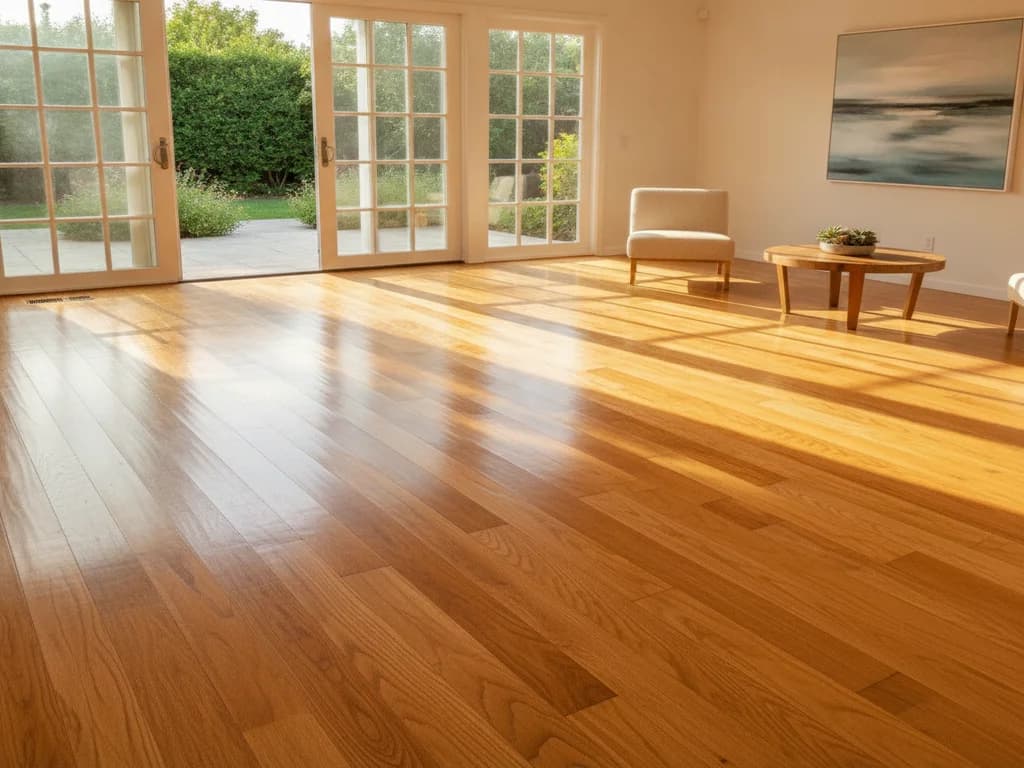
Refinishing original floors, matching new wood to old, and working honestly with houses that were built before plywood existed.
Our Focus
Floors That Came With the House
The Gold Rush towns of our service area — Nevada City, Grass Valley, Auburn, Placerville — and the older neighborhoods of the valley carry a housing stock built between the 1850s and the 1930s, and a remarkable share of those homes still have their original wood floors under carpet or paint. Working on them is a different discipline from installing new flooring: the material is often irreplaceable, the structure underneath predates modern framing, and the right answer is frequently restoration rather than replacement. We're a licensed CSLB #1060673contractor, and we'd rather tell you a floor is worth saving than sell you a new one over it.
What This Work Involves
How Historic Floors Are Different
Original Material You Cannot Buy Anymore
Many pre-1940 homes in this region still carry their original floors — frequently vertical-grain Douglas fir or oak milled from slow-grown timber with ring spacing no modern lumber matches. Our first question is never what to replace it with; it is whether what's there can be saved, because a restored original floor is usually worth more than anything that could go in its place.
Reading How Much Floor Is Left
A century of use and one or two past sandings spend real thickness. We judge what remains at an exposed edge — a floor vent, a threshold, a closet — and check for face-nailing, patches, and previous repairs before promising a refinish. A floor with material left gets sanded conservatively; a floor at its limit gets an honest conversation instead.
Board Subfloors and Era Framing
Under a historic floor you'll commonly find one-by boards laid diagonally across the joists rather than plywood, and framing sized to the codes of its day. Boards move individually, joists deflect on longer spans, and both telegraph into whatever goes on top. Squeaks, movement, and out-of-level runs get corrected at this layer first — sanding treats the surface of a problem that lives underneath.
Weaving New Wood Into Old
Where boards are missing or beyond saving — a wall came out, a floor furnace was removed, water got in — we source material to match species, width, and grain, and weave replacement boards into the field rather than dropping in an obvious rectangle. New wood starts without a century of patina, so we set expectations honestly: a close match now that blends further as it ages.
Finishes That Suit Old Wood
A glassy modern film can look wrong on an 1890s floor. Depending on the home and how it's used, we work with penetrating oils that keep the wood's texture visible, or durable waterborne systems where traffic demands them — and we test stain and finish samples on the actual floor, because hundred-year-old wood takes color differently than anything on a showroom rack.
Districts, Reviews, and Doing It Properly
Design review in the region's historic districts is aimed at exteriors and streetscapes; interior floor work in a private home normally doesn't trigger it. Where a property is under specific preservation conditions, or structural work is involved, we confirm current requirements with the local authority for the address rather than assuming.
Home Types
Houses We Do This Work In
The decision between restoring and replacing is laid out in our refinishing versus replacement comparison, the craft itself lives on our floor refinishing page, and where character-matched material is the answer, reclaimed oak is often where we look first. The towns with the deepest historic stock in our area each have their own page: Nevada City, Grass Valley, Auburn, Placerville and Woodland.
Good to Know
Frequently Asked Questions
Can a hundred-year-old wood floor really be refinished?
Very often, yes. Original solid floors were milled thick, and even after a century of wear many still have usable material above the tongue. The honest answer comes from an exposed edge — a vent cutout or threshold — not from how the surface looks. We assess before we promise, and plenty of floors written off as gone turn out to be excellent refinishing candidates.
Is it better to restore the original floor or replace it?
When the original floor has enough thickness left and the structure under it is sound, restoring is usually the better answer — it keeps material of a quality that is difficult to buy today, costs less than a comparable new floor, and preserves what makes the house itself. Replacement becomes right when the wear layer is spent, water damage runs deep, or the framing needs work that means the floor comes up anyway.
Can you match new flooring to my home's original wood?
Yes, with honest expectations. We match species, board width, and grain character, and blend replacement boards into the surrounding field rather than patching in a visible block. What no one can fully match on day one is a century of color change — new wood starts brighter and mellows toward the old material over months and years of light exposure.
What is old-growth Douglas fir, and why does everyone say to keep it?
Timber cut from slow-grown forests has far tighter growth rings than modern plantation lumber, which makes the boards denser, more stable, and finer-grained than what mills produce today. Fir is softer than oak and dents more readily — that's inseparable from its warmth — but the material itself is effectively irreplaceable, which is why we lean toward saving it whenever the thickness allows.
Do historic-district rules apply to interior floors?
Generally no — local historic-district review in this region focuses on exteriors and streetscapes, and interior floor work in a private residence normally doesn't require design approval. Individual properties can carry specific preservation conditions, and structural changes are a separate question, so we confirm current requirements with the local jurisdiction for your specific address as part of planning the work.
Where do you do historic flooring work?
Across the Gold Country and foothill towns of our service area — Nevada City, Grass Valley, Auburn, Placerville, and the historic neighborhoods of the valley towns — anywhere the housing stock carries original wood worth saving. We're licensed CSLB #1060673. Call (916) 749-0272 for a free assessment.
Related
Keep Reading
Related pages: Townhomes & Condos, Carnelian Bay, Epoxy Garage Floors, and Hardwood Flooring.
Have an Older Home With Original Floors?
Call (916) 749-0272 for a free assessment — we'll tell you plainly whether what's there is worth saving.