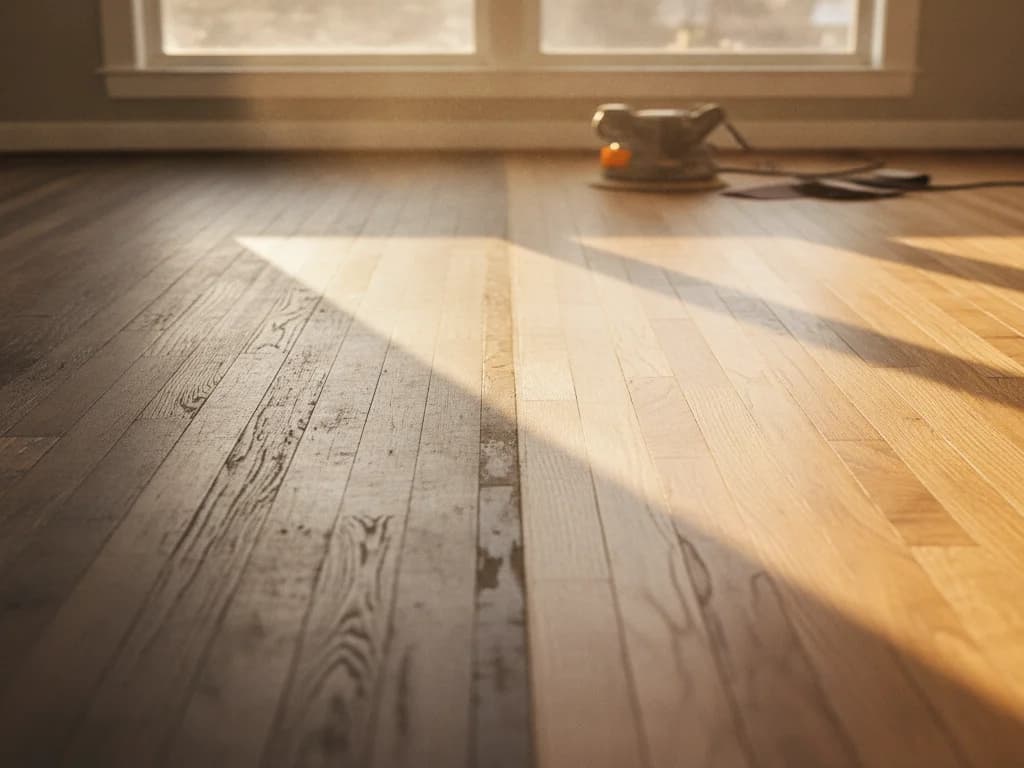
Comparison
Matte vs. Satin Finish
Should my hardwood floor be matte or satin?
Should my hardwood floor be matte or satin?
Matte if you want the floor to disappear into the room and hide daily life; satin if you want a soft, low glow with a little more depth. Both are forgiving, and neither changes how tough the floor is.
Sheen is only how much light the finish bounces back. Matte reflects the least, so it reads flat and natural and camouflages dust, footprints, pet hair, and fine scratches better than any other sheen — which is why it dominates modern and mountain-modern interiors. Satin reflects a little more, giving a gentle sheen and a touch more visual depth to the grain, and it has been the long-standing default because it flatters wood without the glare of higher gloss. Semi-gloss and gloss sit above both and are rarely specified for a floor now: they mirror the room and every mote of dust with it.
The most important thing to know is what sheen does not change: durability. The abrasion resistance of a finish comes from its chemistry, not its shine. Matte and satin of the same product line wear the same — the flatting agents that reduce sheen do not weaken the coating. The common belief that matte is 'less protective' or that gloss is 'tougher' is a myth. What sheen changes is how visible wear and imperfection are, and there matte wins decisively: the same scratch that hides on a matte floor catches light on a satin one, and screams on a gloss one.
Decision Framework
When Each One Wins
Conditions, not preferences. If one of these describes your project, it should carry more weight than anything else on this page.
Choose Matte when…
- Homes with pets, kids, and real daily traffic — it hides scratches and dust longest.
- Modern, Scandinavian, and mountain-modern interiors where a flat, natural look is the point.
- White oak and light, natural, or gray-washed floors, where a glow would read wrong.
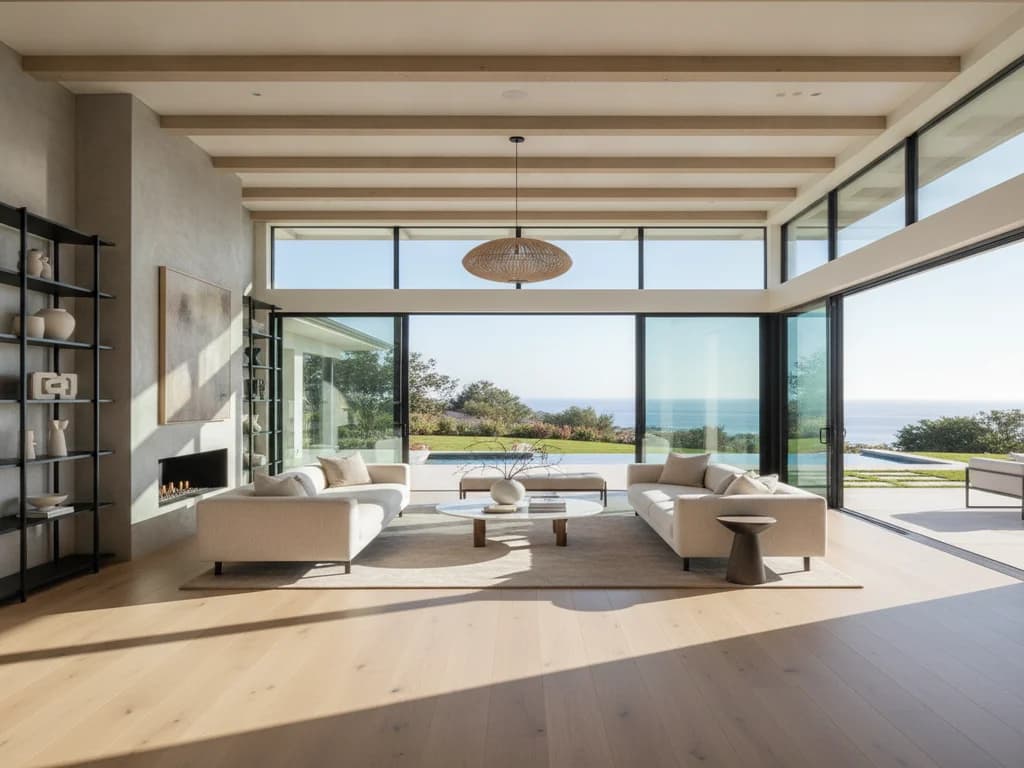
- Bright rooms with large windows or great-room glazing, where higher sheen creates glare.
- Anyone who would rather not see every footprint between cleanings.
Choose Satin when…
- Traditional and transitional homes that want a hint of classic sheen.
- Richer stains and warmer woods, where a little reflection adds depth to the grain.
- Owners who like a floor that looks a touch more 'finished' and are willing to wipe it more often.
- Spaces with softer, indirect light, where a subtle glow flatters rather than glares.
Side by Side
The Properties That Actually Differ
Where a figure is set by an individual product's instructions rather than by the material itself, the property is described as a relationship. An invented number would be worse than no number.
| Property | Matte | Satin |
|---|---|---|
| Light reflected | Least — reads flat and natural. | A little more — a soft, low glow. |
| Hides scratches & wear | Best of the common sheens. | Good, but shows fine scratches sooner than matte. |
| Hides dust, prints, pet hair | Best — the reason it dominates busy homes. | Shows a bit more between cleanings. |
| Durability of the coating | Same as satin — sheen does not change wear. | Same as matte — same chemistry, different flatting. |
| Look | Flat, contemporary, natural. | Soft sheen, slightly more traditional depth. |
| Behavior in bright rooms | Controls glare from big windows and glazing. | Can highlight glare and particles in strong light. |
| Touch-up / recoat visibility | Blends most forgivingly. | Recoat lines and repairs read a little more. |
It Depends
The Variables That Decide It
No comparison answers this for every house. These are the specific things about your project that move the answer, and they are worth establishing before you shop.
How the room is lit
A floor's sheen is only visible because of light hitting it. A great room with a wall of glass or a mountain home with big south-facing windows will amplify any reflection, so a higher sheen that looked fine on a sample can glare and show every particle in place. The brighter and more glazed the room, the more matte earns its keep.
Pets, kids, and traffic
This is the single most practical variable. Claws, toys, and constant foot traffic put fine scratches into any floor, and sheen decides whether you notice them. Matte hides them longest, which is why it is the default recommendation for active households — not because it resists scratching more, but because it disguises it.
Your design direction
Matte reads modern, natural, and calm; satin reads a touch more traditional and gives grain a little more depth. Neither is more correct. Match the sheen to the interior you are building, and view a sample in the actual room's light before committing — sheen looks different under showroom light than under your own windows.
Tolerance for maintenance visibility
Higher sheen shows dust and prints sooner, so it asks to be wiped more often to look its best. If low-maintenance appearance matters more than a bit of glow, matte is the easier floor to live with day to day.
On this site: Floor Refinishing, Hardwood Flooring, Mountain Home Flooring, and Flooring Glossary.
Next decision: Water-Based vs. Oil-Based Poly, Screen-and-Recoat vs. Full Refinish, and Site-Finished vs. Prefinished.
See all 17 flooring comparisons, or look up a term in the glossary.
Common Questions
Frequently Asked Questions
Is matte finish less durable than satin or gloss?
No. Durability comes from the finish's chemistry, not its sheen. Matte and satin from the same product line have the same abrasion resistance — the flatting agents that reduce shine do not weaken the coating. Matte only looks more durable over time because it hides the scratches that a higher sheen reveals.
Which finish hides scratches and dog scratches best?
Matte, clearly. A scratch is visible because it catches light differently than the surface around it, and a flat surface gives that difference nowhere to show. Matte is the standard recommendation for homes with dogs and kids for exactly this reason.
Does matte or satin show dust and footprints more?
Satin shows them more; matte hides them best. Higher sheens reflect light off dust and skin oils, so footprints and pet hair stand out and the floor asks to be cleaned more often to look its best. If you would rather not see every print between cleanings, choose matte.
What about semi-gloss or gloss on floors?
They are rarely specified for floors today. Higher gloss mirrors the room — and every scratch, dust particle, and imperfection with it. It can suit a formal, traditional interior, but on a real, lived-in floor it is the least forgiving choice by a wide margin.
Can I change the sheen without a full refinish?
Often yes, by a screen-and-recoat: the existing finish is abraded and a new top coat in the sheen you want is applied, no full sanding required, as long as the current finish is sound and compatible. It is the same process used to refresh a worn floor. We assess whether your finish is a candidate before recommending it.
Get a Straight Answer for Your House
Free estimates across Greater Sacramento & Northern California. We'll look at your subfloor and your rooms and tell you which of these actually fits — call (916) 749-0272.