Service Area
Flooring in Sonoma
Renaissance Floors installs and refinishes hardwood, luxury vinyl, tile, and more for homeowners throughout Sonoma and the surrounding Sonoma County area.
CSLB #1060673
Licensed & Insured
Est. 2019
Family-Owned
15+ Years
Hands-On Experience
5.0★ Rated
22 Reviews on Thumbtack
Local, Licensed, Accountable
Flooring Contractor Serving Sonoma
Sonoma is part of Sonoma County, and it's one of the communities Renaissance Floors regularly works in. We're based in Roseville, CA and serve homeowners across Greater Sacramento & Northern California— from small refinishing jobs to full home installs. Every project starts with an honest look at your subfloor and your goals, followed by a clear, no-pressure estimate. There's no dispatched sales team and no guesswork: you work directly with the crew doing the installation, backed by our CSLB C-15 license and a workmanship warranty on every job.
Wine Country homes lean into indoor-outdoor living, where warm wide-plank oak and durable luxury vinyl both shine. We help you choose flooring that looks at home in everything from a Sonoma ranch to a Napa estate.
Local Coverage
Neighborhoods We Serve in Sonoma
From Downtown Sonoma Plaza to Temelec, Renaissance Floors installs and refinishes floors across Sonoma.
Recent Work
A Sample of Our Craftsmanship
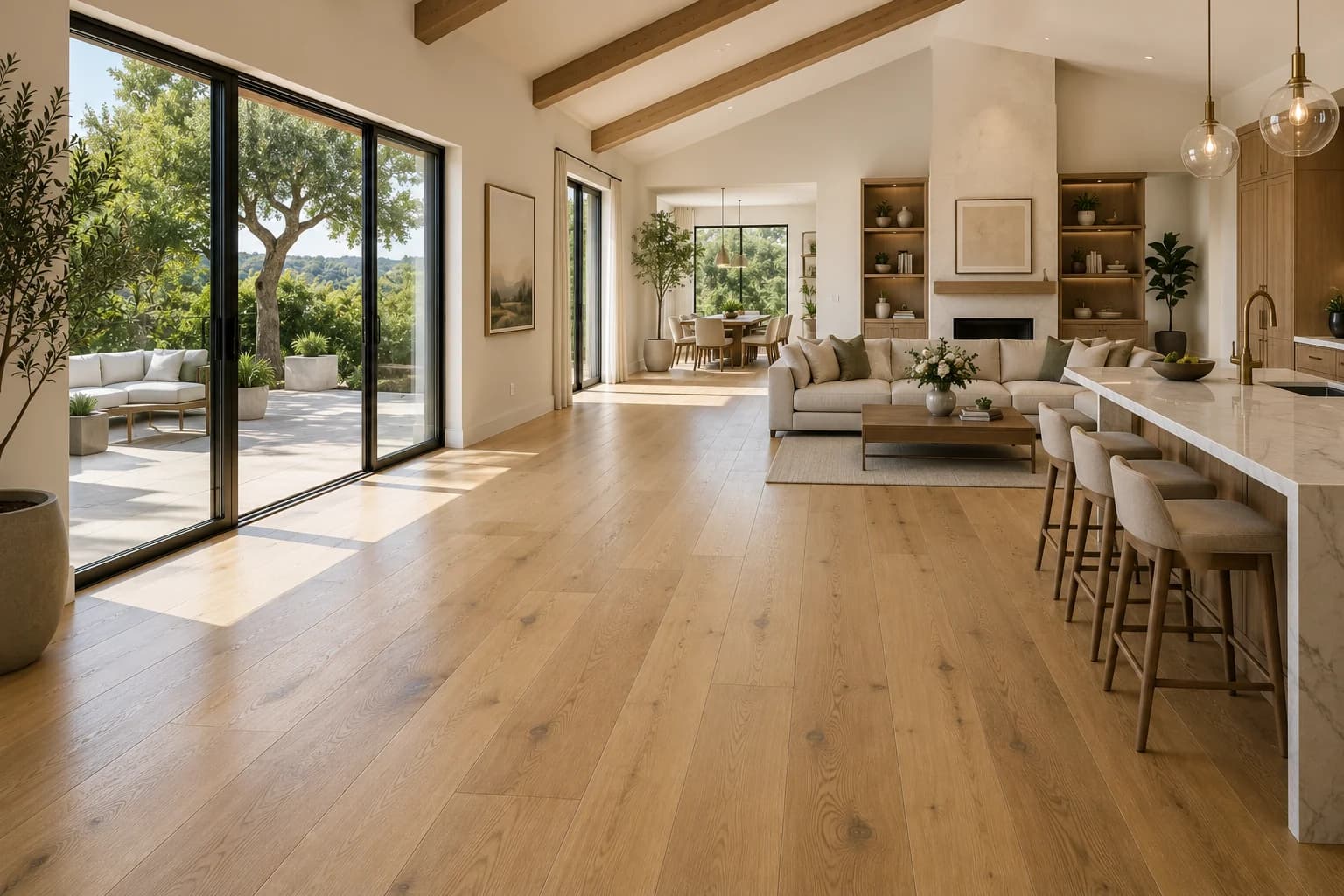
White Oak Hardwood
Great Room & Landing
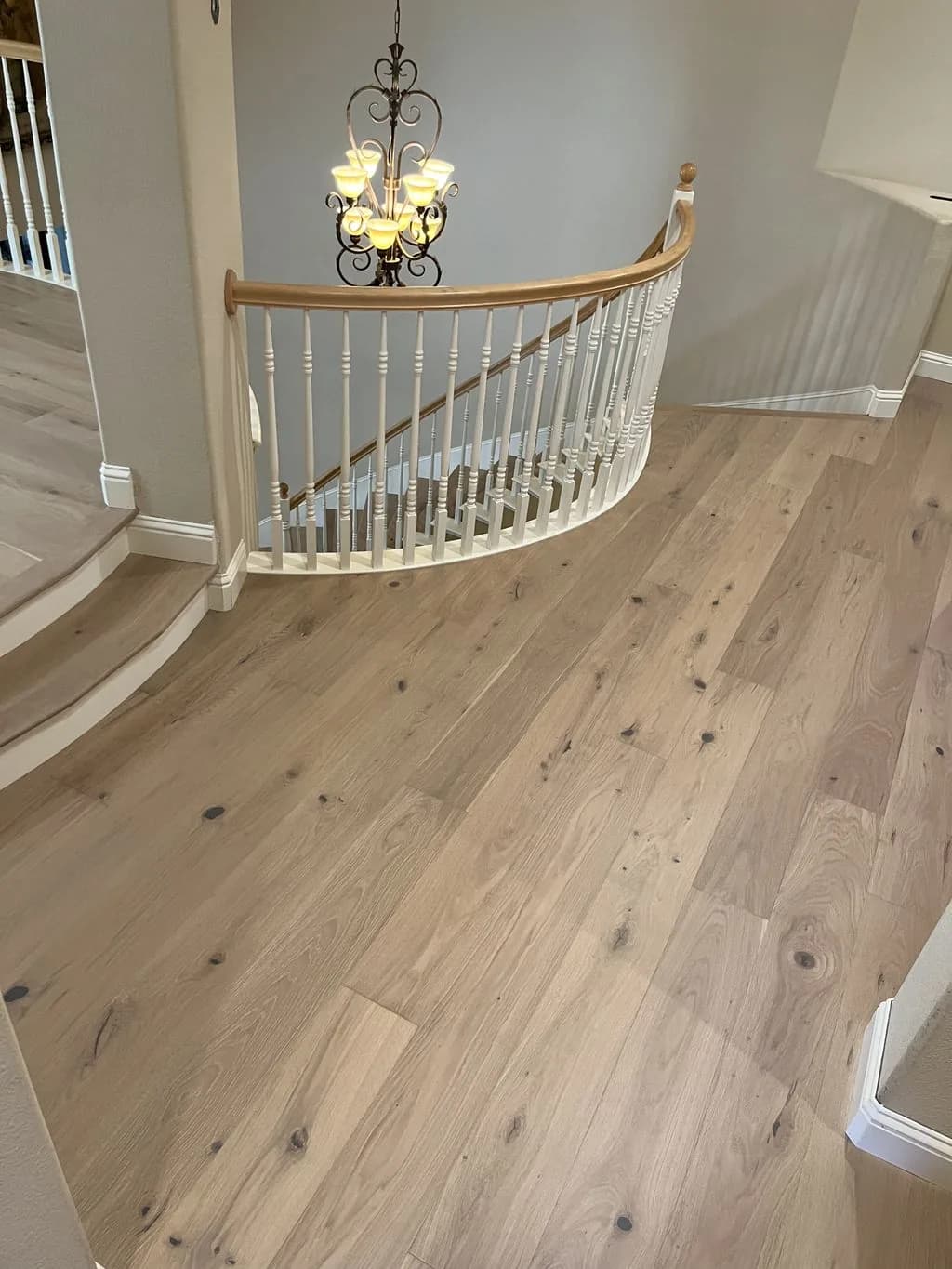
White Oak Hardwood
Staircase & Landing
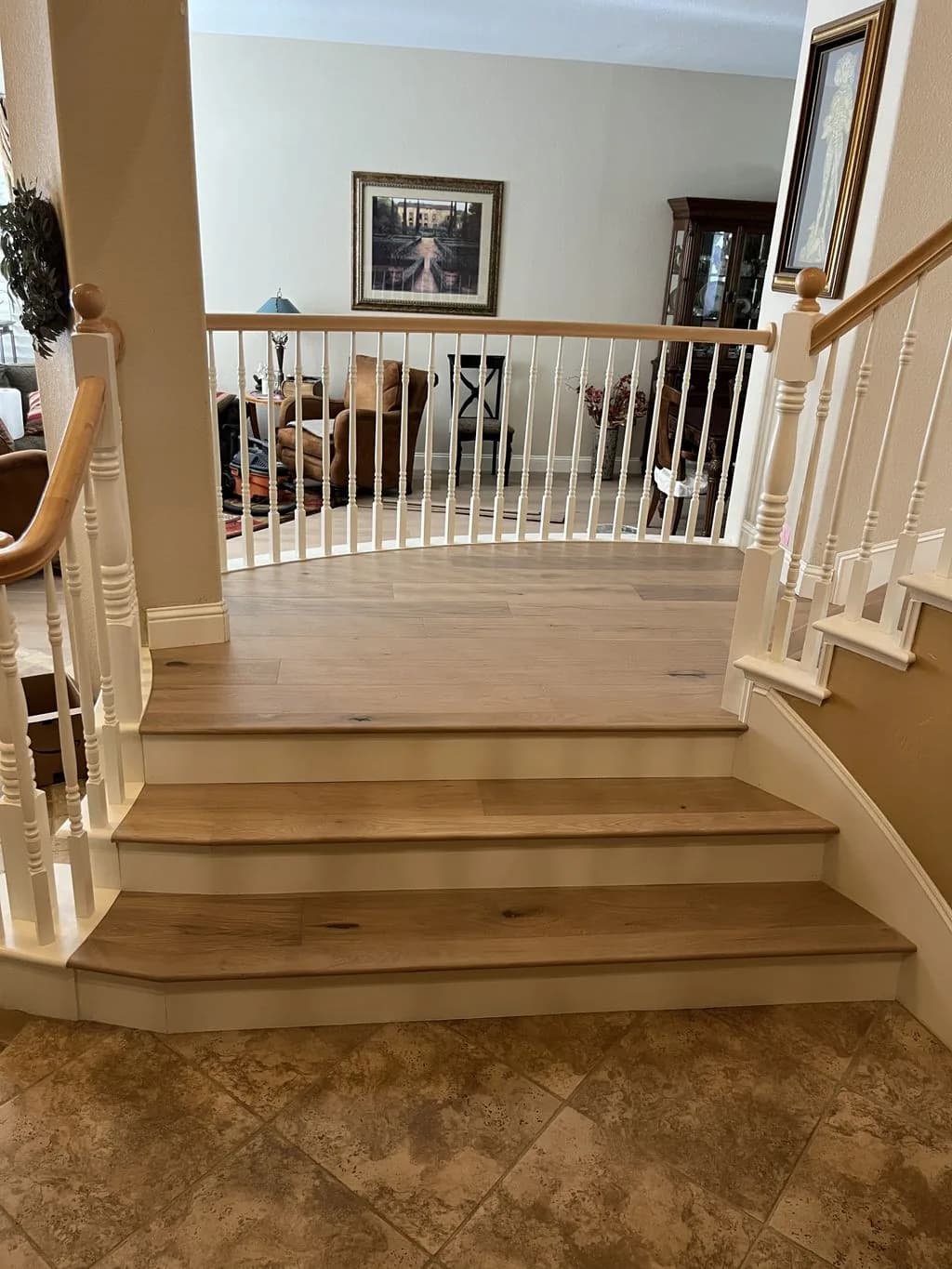
White Oak Hardwood
Curved Staircase
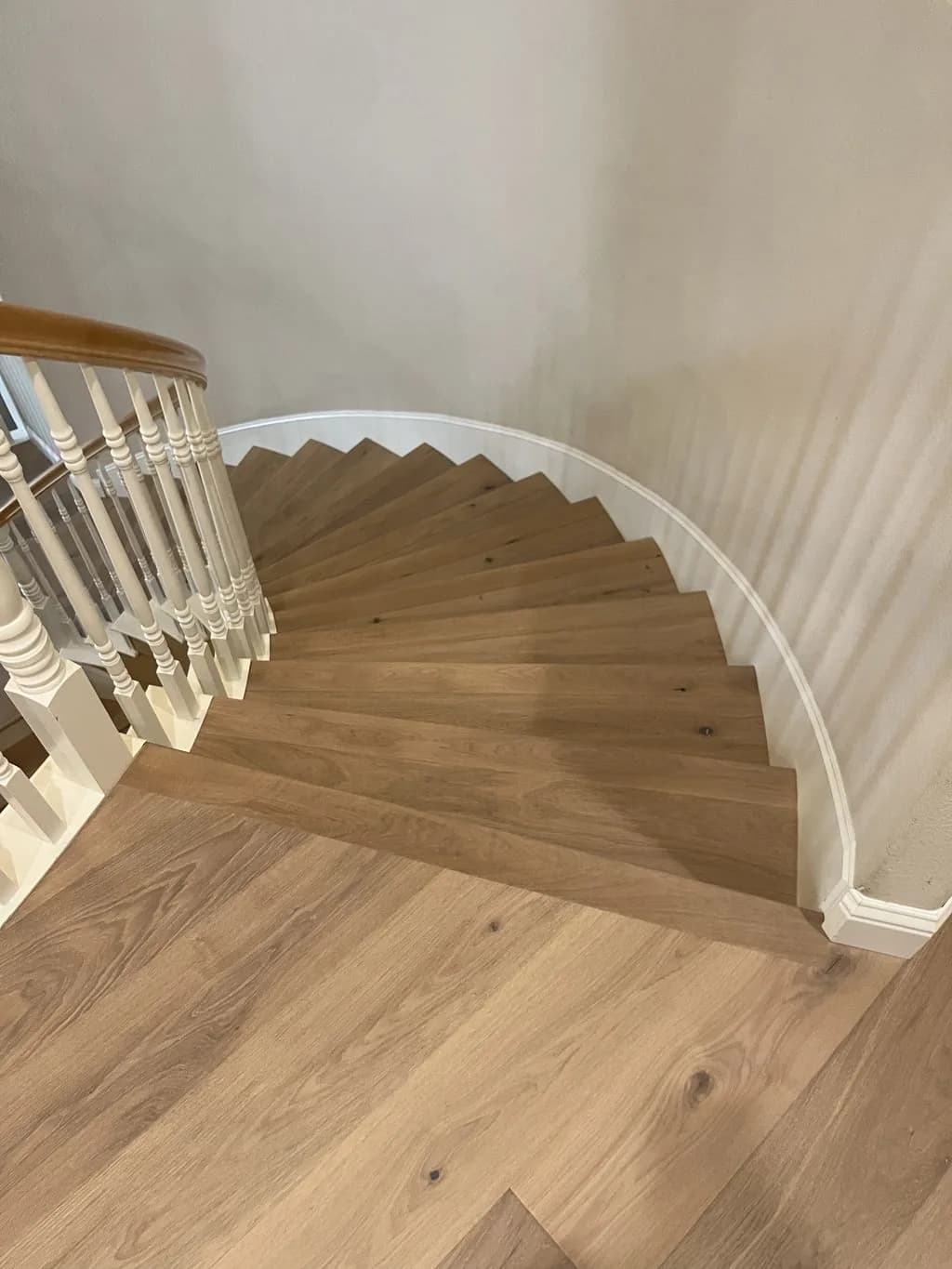
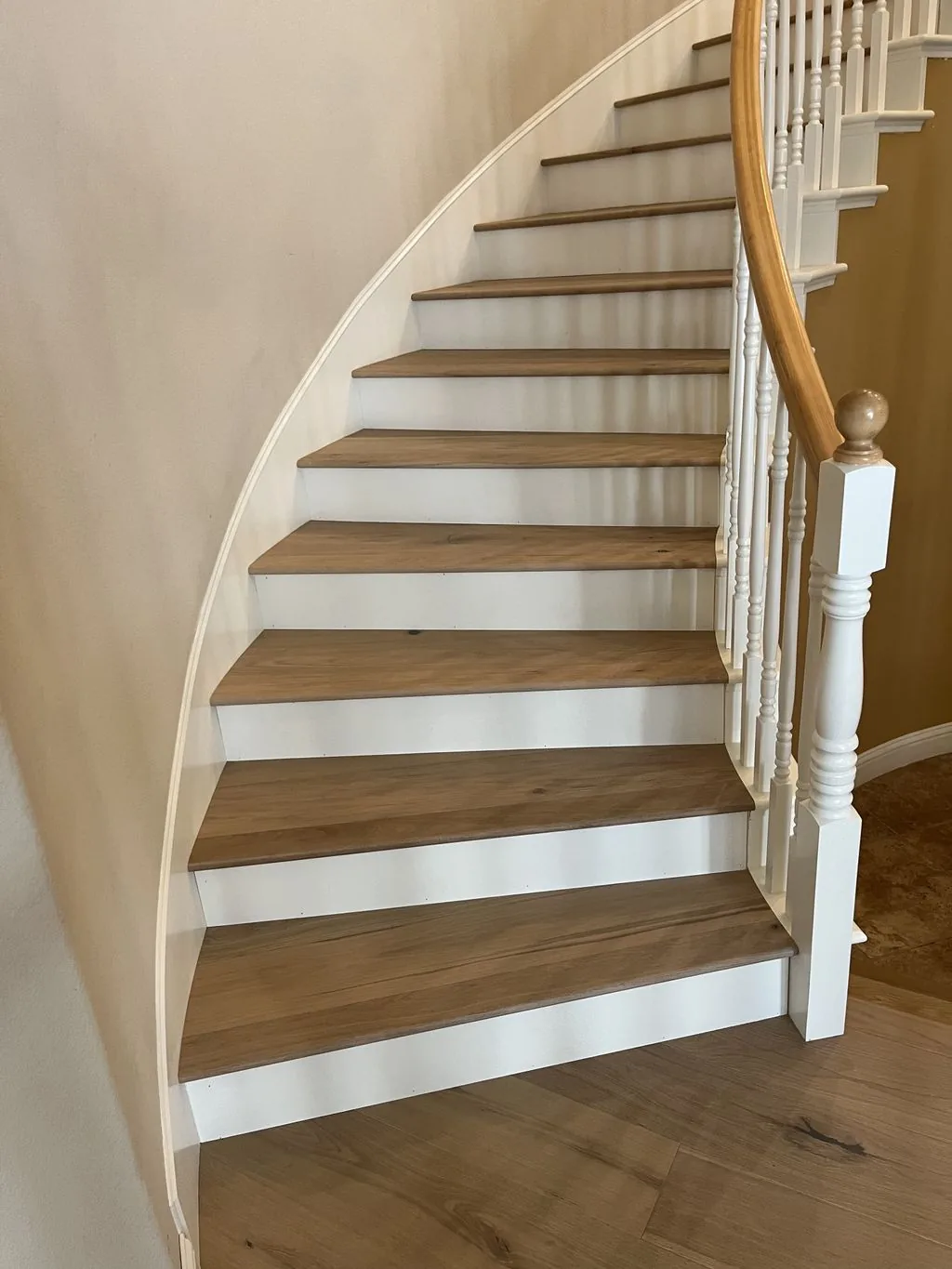
White Oak Hardwood
Stair Treads
Our Services
Flooring Services in Sonoma
From hardwood to luxury vinyl, here's how we help Sonoma homeowners upgrade their floors.
Hardwood Flooring
Solid oak, maple, and walkable heirloom-grade hardwood, precisely installed.
Hardwood Flooring in SonomaEngineered Hardwood
Real-wood wear layers built for California's climate swings.
Engineered Hardwood in SonomaLuxury Vinyl Plank
Waterproof, wood-look LVP for kitchens, baths, and busy households.
Luxury Vinyl Plank in SonomaLaminate Flooring
Durable, high-style laminate at a friendly price point.
Laminate Flooring in SonomaTile Flooring
Porcelain and ceramic tile set dead-level with crisp grout lines.
Tile Flooring in SonomaFloor Installation
Full-service installation from subfloor prep to final baseboard.
Floor Installation in SonomaFloor Refinishing
Sand, stain, and reseal tired hardwood back to new.
Floor Refinishing in SonomaFloor Repair
Board swaps, water damage, squeaks, and seamless patch-ins.
Floor Repair in SonomaLocal Conditions
What Floors in Sonoma Have to Contend With
Conditions in Sonoma
Sonoma sits at about 78 feet in Sonoma County. Sonoma sits in the Sonoma Valley, which runs warmer and more inland than coastal Santa Rosa — its July and August highs are about 5°F above the coast. Summer mornings still draw some marine air and fog off the Petaluma Gap and stay cool and humid, but the afternoons are warm and dry, so Sonoma sits toward the drier, inland end of the region's humidity range: NCEI 1991–2020 hourly normals run about 60% afternoon at San Francisco to 28% at Sacramento, with the marine dew point near the low 50s°F. A wood floor here is acclimated to a warmer, drier-afternoon summer than coastal Santa Rosa, with humid mornings still feeding a real daily swing. Sonoma summers near 86°F matter during the install itself, not just afterward. Materials get acclimated in the house they're going into, adhesives and mortars have shorter working windows in the heat, and floating floors need the expansion space that a hot-weather install makes obvious and a cool-weather install lets you forget.
NOAA 1991-2020 normals record a January average low of 38.4°F and no measurable snowfall in any month. Winter conditions shift the same variables the other way — longer cure times, and floors installed at their contracted size that will grow once the house warms.
July and August average highs are nearly identical (86.0°F and 86.1°F), and both run about 5°F above Santa Rosa and Petaluma — an inland valley pattern rather than a marine-moderated one. Sonoma's own climate pattern sets the humidity range a new floor has to live through, and acclimation and expansion space are planned for that range.
Subfloor and Foundation Work
The City's own residential plan notes require concrete foundations for stud-bearing walls supporting one floor to have a minimum 12-inch-wide footing, 6-inch minimum thickness, and 12-inch minimum depth below undisturbed soil, and address cripple walls under 14 inches in height and cleanouts for under-floor piping extended outside the building crawl space — so both crawl-space and slab-on-ground construction are contemplated in city practice. Separately, Sonoma ZIP code 95476 is eligible for California's Earthquake Brace + Bolt program, which the California Residential Mitigation Program states is 'only done on wood-framed, pre-1980 homes with a raised foundation' over a crawl space.
Foundation type is the first thing that narrows the material list, and concrete narrows it hard. A slab rules out a nailed-down solid wood floor and puts the decision between engineered, vinyl plank, laminate, and tile — each of which handles concrete differently. We test the slab for moisture before recommending any of them, because the test result, not the budget, is what determines which methods are actually available.
A raised floor opens the material list back up — a sound wood subfloor accepts nail-down, glue-down, and floating installations alike. The condition of the crawlspace is what we check first, since a moisture problem underneath will eventually reach whatever we put on top.
Source: NAHB analysis of the Census Bureau Survey of Construction, foundation type by region (2024)
Sonoma Homes We Work In
ACS 2020-2024 5-year estimates put 23.9% of Sonoma's 5,992 housing units in the 1970s — the single largest decade — followed by the 2000s at 14.4% and the 1980s at 14.3%. Only 6.0% was built 1939 or earlier. Sonoma's 1970s, 1980s, and 2000s homes tend to bring their own surprises once the old floor comes up — subfloor thickness, previous patches, and height differences at doorways. We plan transitions and thresholds around what's actually under there rather than around a nominal drawing.
Before We Quote
Planning Around Sonoma
Conditions specific to Sonoma that shape an installation plan:
- NWFA Wood Flooring Installation Guidelines define normal living conditions as 30-50% relative humidity at 60-80°F and direct that this range be maintained year-round.
- The USDA Forest Products Laboratory Wood Handbook directs that wood be installed at the moisture content it will experience in service to minimize post-installation dimensional change, and lists 8% average moisture content (6-10% for individual pieces) for interior flooring across most of the United States.
- NOAA 1991-2020 normals for the Sonoma station record a July average high of 86.0°F against a July average low of 53.5°F — a diurnal swing of roughly 33°F, materially wider than the Marin markets, so interior conditions swing more across a summer day in an unconditioned or intermittently conditioned home.
Permits & Jurisdiction
Who Has Jurisdiction in Sonoma
Building permits and inspections for Sonoma properties go through City of Sonoma Building Division. Sonoma is incorporated and issues its own building permits through the Building Division of the Community Development Department at No. 1 The Plaza. El Verano, Boyes Hot Springs, and Temelec lie outside city limits in unincorporated Sonoma County, where county permitting applies instead.
Requirements change. Confirm current rules with the issuing agency before work begins.
We install flooring work throughout Sonoma, including Downtown Sonoma Plaza.
Sources
Where These Sonoma Details Come From
The local conditions above are drawn from these public sources.
- Wine Country summer humidity — fog mechanism from the Petaluma Gap AVA (marine air through the wind gap and Russian River corridor); afternoon RH bracketed by NCEI 1991–2020 hourly normals for San Francisco (~60%) and Sacramento (~28%). No relative-humidity normal is published for the local station.
- City of Sonoma — Building Division
- City of Sonoma — One & Two-Family Residential Basic Plan Notes, 2022 Codes (footing dimensions, cripple walls, crawl space)
- California Residential Mitigation Program — Earthquake Brace + Bolt retrofit (pre-1980, wood-framed, raised foundation only)
- Earthquake Brace + Bolt — 2025 eligible ZIP codes, Northern California (Sonoma 95476)
- NOAA NCEI — 1991-2020 Monthly Climate Normals, Sonoma (USC00048351)
- U.S. Census Bureau ACS 2020-2024 5-year, table B25034 — Sonoma, CA (year structure built)
- USGS 3DEP Elevation Point Query Service
- National Wood Flooring Association — Wood Flooring Installation Guidelines
- USDA Forest Products Laboratory — Wood Handbook (GTR-282), Ch. 13
Explore Flooring Services in Sonoma
Nearby
Nearby Cities We Serve in Wine Country
Good to Know
Frequently Asked Questions
Does Renaissance Floors serve Sonoma?
Yes. We install and refinish flooring throughout Sonoma and the surrounding Sonoma County area. Call (916) 749-0272 for a free estimate.
What flooring services do you offer in Sonoma?
We install hardwood, engineered wood, luxury vinyl plank, laminate, tile, and more in Sonoma, plus floor refinishing, repair, and full-service installation. See the full list below.
Are you licensed to work in Sonoma?
Yes. We hold CSLB C-15 license #1060673 (C-15 Flooring & Floor Covering) and carry insurance. We're based in Roseville, CA and serve Sonoma and all of Greater Sacramento & Northern California.
How do I get a free flooring estimate in Sonoma?
Call (916) 749-0272 or request an estimate online. We'll schedule a convenient in-home visit in Sonoma, measure your space, and give you an honest, no-pressure quote.
Related
Keep Reading
Related pages: Laminate Flooring in Concord, Tile Flooring in Concord, Hardwood Flooring in Sonoma, and Engineered Hardwood in Sonoma.
Ready for Floors You'll Love?
Free, no-pressure flooring estimates throughout Sonoma and Sonoma County.